

Back to Services
Service · Sports Injuries
Sports Injury Care for Feet and Ankles in Timonium, MD
Whether you're a competitive athlete, weekend warrior, or simply enjoy staying active, a foot or ankle injury can quickly keep you from doing the things you enjoy. Our doctors evaluate ankle sprains, stress fractures, tendon injuries, heel pain, Achilles disorders, and other sports-related conditions to identify the cause of your symptoms and develop the right treatment plan.
Most sports injuries can be treated without surgery. Treatment is tailored to your diagnosis and may include activity modification, bracing, custom orthotics, physical therapy, Class IV laser therapy, medications, injections, or other conservative treatments. When surgery is necessary, surgical treatment is available within our practice.
Most sports injuries can be treated without surgery. Treatment is tailored to your diagnosis and may include activity modification, bracing, custom orthotics, physical therapy, Class IV laser therapy, medications, injections, or other conservative treatments. When surgery is necessary, surgical treatment is available within our practice.
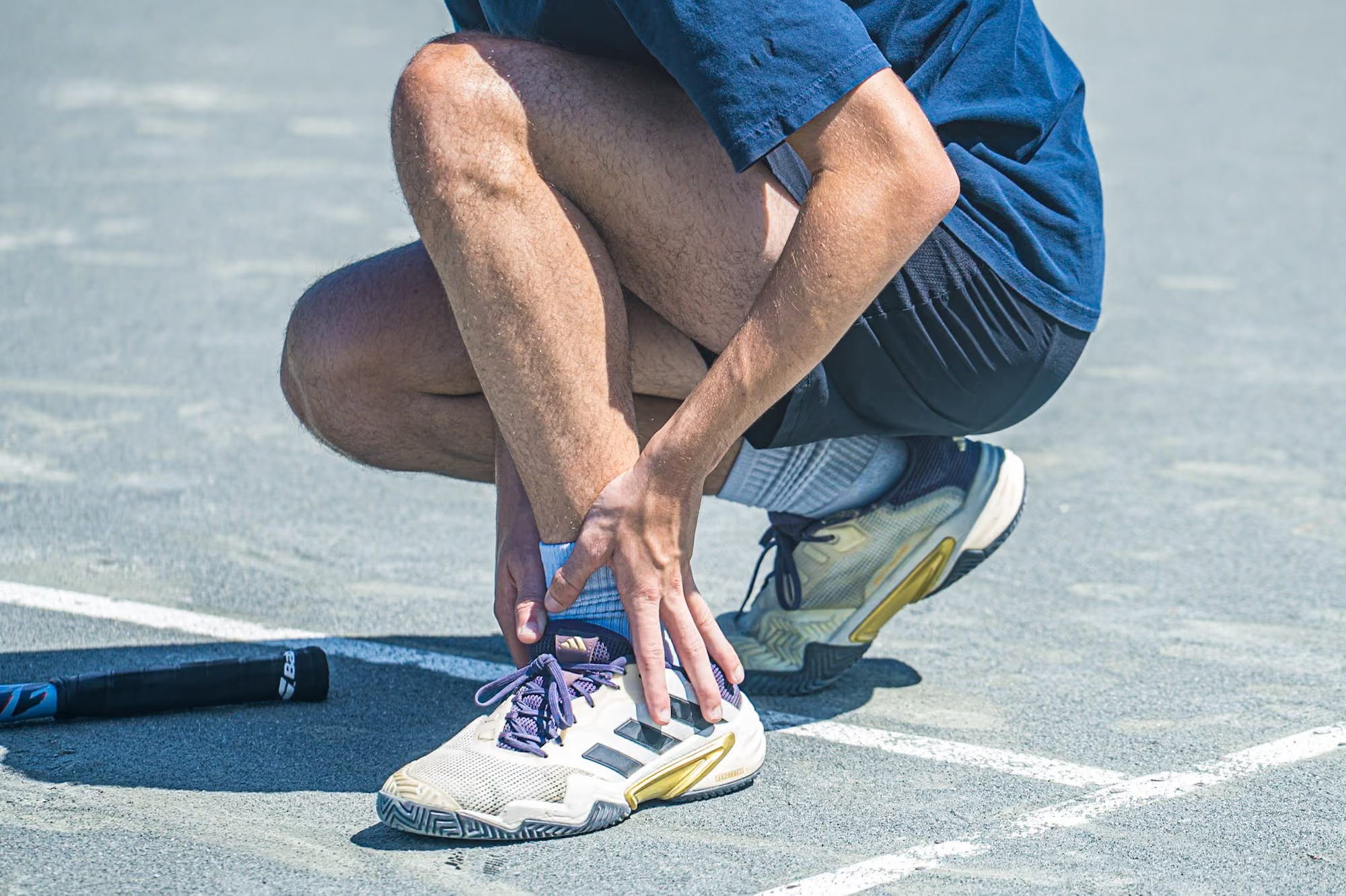
Common Foot and Ankle Sports Injuries
Whether you're a runner, tennis player, golfer, pickleball player, soccer player, or simply enjoy staying active, an accurate diagnosis is the first step toward recovery. Explore the most common sports-related foot and ankle injuries below to learn about symptoms, treatment options, and when to seek care.
Ankle Sprains
The most common sports injury of all — stretched or torn ligaments in the ankle
Read more →
Plantar Fasciitis
Sharp heel pain with your first steps — common in runners, walkers, and with sports such as tennis, pickleball, golf, and squash
Read more →
Achilles Tendinitis
Burning pain and stiffness in the back of the ankle along the Achilles tendon, the largest tendon in the body
Read more →
Fractures and Stress Fractures
Fractures occur when a bone breaks into two or more pieces
Stress fractures are tiny cracks in bones from repetitive impact; pain worsens with activity
Stress fractures are tiny cracks in bones from repetitive impact; pain worsens with activity
Read more →
Peroneal Tendinitis
Pain, swelling, or weakness to the tendons on the outside of the foot and ankle
Read more →
Posterior Tibial Tendon Dysfunction (PTTD)
Throbbing, swelling, or weakness to the tendon on the inside of the ankle that can lead to flattening of the foot
Read more →
Hallux Limitus
Aching, throbbing, or sharp pain from arthritis in the big toe joint
Read more →
Metatarsalgia
Pain in the joint(s) in the ball of the foot, often worse with barefoot walking
Read more →
What should I do after a foot or ankle sports injury?
After a foot or ankle injury, protect the injured area and avoid activities that increase pain. Ice, compression, elevation, and temporary activity modification may help reduce pain and swelling. Over-the-counter pain or anti-inflammatory medications may also be appropriate for some patients.
If you are unable to bear weight, have significant swelling or deformity, or your symptoms are not improving, schedule an evaluation. Many sports injuries can cause similar symptoms, and an accurate diagnosis is important before returning to activity.
If you are unable to bear weight, have significant swelling or deformity, or your symptoms are not improving, schedule an evaluation. Many sports injuries can cause similar symptoms, and an accurate diagnosis is important before returning to activity.
How do our doctors treat sports injuries?
Treatment begins with an accurate diagnosis and is tailored to your injury, activity level, and goals. Most foot and ankle sports injuries can be treated without surgery using options such as activity modification, bracing or immobilization, physical therapy, Class IV laser therapy, custom orthotics, footwear changes, medications, injections, and other conservative treatments.
Our doctors also evaluate factors that may have contributed to the injury, including training, footwear, foot structure, flexibility, and biomechanics. The goal is not only to treat the injury, but to help you safely return to activity and reduce the risk of reinjury. When surgery is necessary, surgical treatment is available within our practice.
Our doctors also evaluate factors that may have contributed to the injury, including training, footwear, foot structure, flexibility, and biomechanics. The goal is not only to treat the injury, but to help you safely return to activity and reduce the risk of reinjury. When surgery is necessary, surgical treatment is available within our practice.
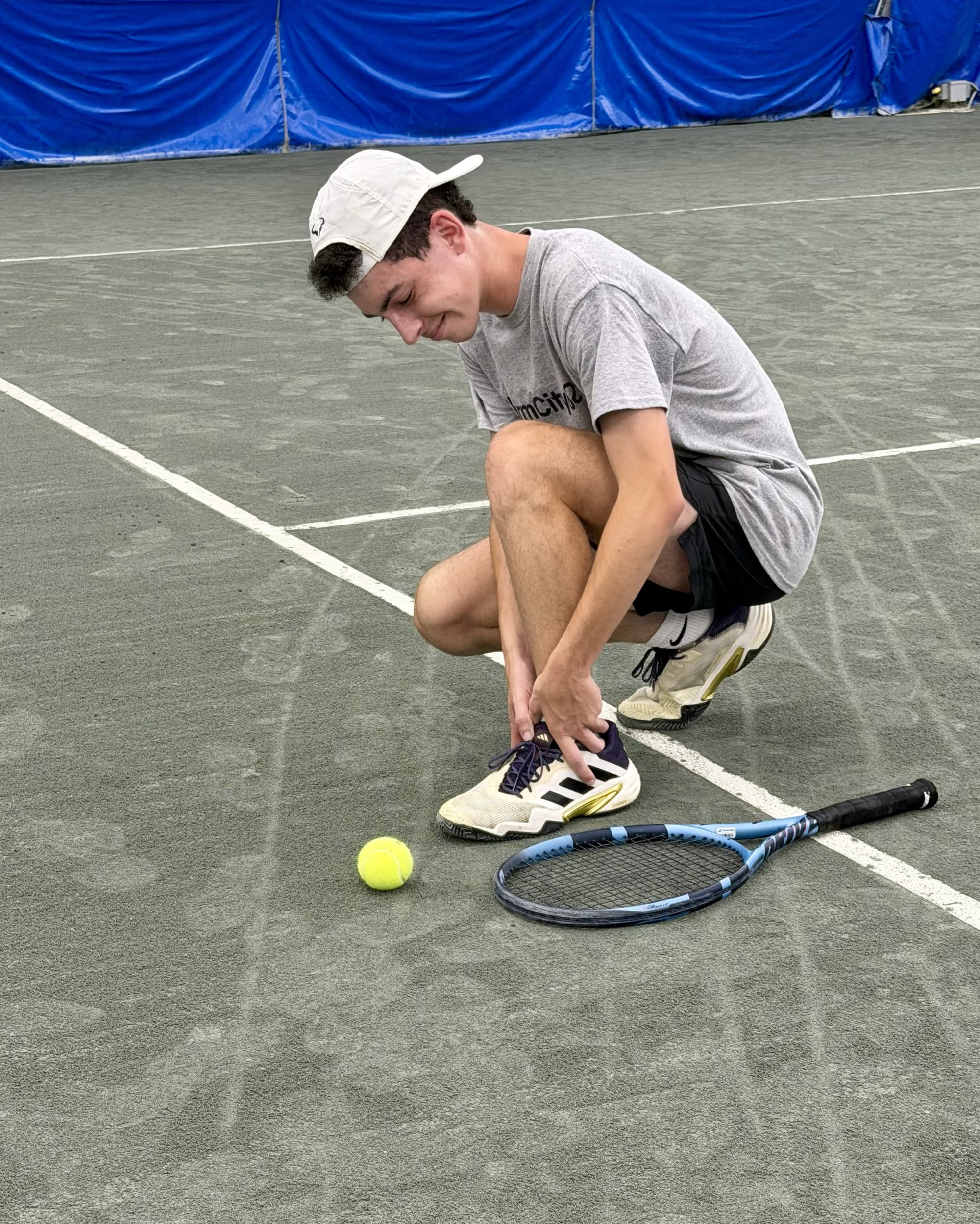
Sports Injuries, Answered
What are the most common foot and ankle sports injuries?
Foot and ankle sports injuries include ankle sprains, Achilles tendon injuries, plantar fasciitis, stress fractures, tendinitis, turf toe, peroneal tendon injuries, fractures, and overuse injuries. Although these conditions often cause similar symptoms, they require different treatments. A comprehensive examination helps identify the underlying cause and guides the most appropriate treatment plan.
Should I see a doctor for a foot or ankle sports injury?
You should seek medical evaluation if you cannot comfortably bear weight, have significant swelling or bruising, hear a popping sensation at the time of injury, develop persistent pain, or your symptoms are not improving after several days of rest. Early diagnosis often leads to faster recovery and helps prevent chronic pain or long-term instability.
How do I know if my ankle is sprained or broken?
An ankle sprain and an ankle fracture can both cause pain, swelling, bruising, and difficulty walking. A physical examination and, when appropriate, X-rays are often necessary to determine the correct diagnosis. Prompt evaluation helps ensure the injury is treated appropriately and reduces the risk of long-term complications.
Why does my foot hurt after running?
Foot pain after running can result from plantar fasciitis, stress fractures, Achilles tendonitis, tendon injuries, metatarsalgia, arthritis, or overuse injuries. Continuing to run through pain may worsen some conditions. Identifying the underlying cause is the first step toward developing an effective treatment plan and returning to activity safely.
Can I continue exercising with foot or ankle pain?
It depends on the diagnosis. Some minor overuse injuries improve with activity modification, while continuing to exercise with a stress fracture, tendon tear, or significant ligament injury can delay healing or make the injury worse. Our doctors will determine whether it is safe to continue exercising and recommend appropriate modifications during recovery.
Can I continue running with plantar fasciitis or Achilles tendon pain?
Many runners can continue modified training while undergoing treatment, but this depends on the severity of the condition. Continuing to run through significant pain may prolong recovery or increase the risk of additional injury. Treatment often includes stretching, activity modification, footwear recommendations, custom orthotics, physical therapy, and other conservative treatments.
What should I do immediately after a foot or ankle sports injury?
Protect the injured area, limit activities that increase pain, apply ice when appropriate, use compression and elevation to reduce swelling, and seek medical evaluation if you are unable to bear weight, experience significant swelling, deformity, or persistent pain. Early treatment often leads to a faster recovery.
Do I need an MRI for my sports injury?
Not always. Many sports injuries can be diagnosed with a thorough history, physical examination, and X-rays when appropriate. MRI or other advanced imaging may be recommended if a tendon, ligament, cartilage injury, stress fracture, or other condition is suspected, or when symptoms do not improve as expected.
How long does it take to recover from a sports injury?
Recovery depends on the type and severity of the injury, your overall health, and your commitment to treatment. Minor injuries may improve within several weeks, while tendon injuries, fractures, and more significant ligament injuries may require several months. Our doctors will provide an individualized recovery plan and monitor your progress throughout treatment.
When can I safely return to sports?
Returning too soon increases the risk of reinjury. Before returning to sports, the injured area should have regained adequate strength, flexibility, stability, and function. Our doctors will evaluate your recovery and help determine when it is safe to resume training and competition.
Do I need surgery for my sports injury?
Most foot and ankle sports injuries do not require surgery. Many athletes recover successfully with conservative treatment, including activity modification, bracing, physical therapy, custom orthotics, Class IV laser therapy when appropriate, and rehabilitation. Surgery is typically reserved for injuries that fail conservative treatment or involve significant ligament, tendon, cartilage, or bone damage.
Can custom orthotics help prevent sports injuries?
For some athletes, yes. Custom orthotics may improve foot mechanics, reduce excessive stress on tendons and joints, improve shock absorption, and help prevent recurrent overuse injuries. Whether orthotics are appropriate depends on your foot structure, biomechanics, sport, and diagnosis.
What sports injuries can Class IV laser therapy help treat?
Class IV laser therapy may be recommended for selected sports injuries involving muscles, tendons, ligaments, and other soft tissues. It is commonly used as part of a comprehensive treatment plan for conditions such as plantar fasciitis, Achilles tendinitis, tendon injuries, ankle sprains, and other inflammatory conditions. Our doctors will determine whether laser therapy is appropriate based on your diagnosis and treatment goals.
Why does my ankle keep rolling or giving out?
Repeated ankle sprains may lead to chronic ankle instability, a condition in which damaged ligaments no longer provide adequate support. Patients often describe their ankle as "giving way," especially on uneven surfaces or during sports. Treatment may include strengthening exercises, bracing, physical therapy, custom orthotics, or surgery for severe or persistent instability.
What types of athletes do you treat?
Our doctors treat athletes and active individuals of all ages and ability levels, including runners, walkers, tennis players, pickleball players, golfers, soccer players, basketball players, and recreational athletes. Every treatment plan is individualized to help patients recover safely and return to the activities they enjoy.
Why choose Timonium Foot and Ankle Center for sports injuries?
Every sports injury begins with an accurate diagnosis. Our doctors perform a comprehensive evaluation to identify the underlying cause of your symptoms before recommending treatment. Conservative care is always considered first, and surgery is recommended only when it offers the best long-term outcome. Whether your goal is returning to competition or simply walking without pain, every treatment plan is tailored to your diagnosis, activity level, and personal goals.
Get Started