


Venous Stasis and Lower Leg Swelling (Edema)
At Timonium Foot and Ankle Center, our doctors evaluate patients with foot and ankle swelling to help determine the underlying cause. Because swelling can result from problems involving the veins, lymphatic system, heart, kidneys, medications, or the foot and ankle itself, an accurate diagnosis is important before treatment begins.
Many causes of chronic swelling can be managed with conservative treatment. Depending on the diagnosis, treatment may include compression therapy, elevation, exercise, weight management, skin care, treatment of underlying foot and ankle conditions, or referral to an appropriate medical or vascular specialist.
If you have persistent or recurrent swelling of your feet or ankles, call our office or request an appointment online. We’ll evaluate the problem and develop a treatment plan based on the underlying cause.
What is leg and ankle swelling (edema)?
Edema is the accumulation of excess fluid within the tissues. In the lower extremities, edema commonly causes swelling of the feet, ankles, and legs and may affect one or both sides.
Swelling is a symptom rather than a specific diagnosis. It may develop from problems involving the veins or lymphatic system, prolonged standing or sitting, certain medications, injury or inflammation, or medical conditions affecting the heart, kidneys, or other parts of the body.
Determining the cause is important because treatment for one type of swelling may be very different from treatment for another.
What causes leg and ankle swelling?
Common causes of swelling in the feet, ankles, and legs include:
- Chronic venous insufficiency: When the veins have difficulty returning blood from the legs toward the heart, fluid can accumulate in the lower extremities.
- Prolonged standing or sitting: Gravity can cause fluid to collect in the feet and ankles, particularly toward the end of the day.
- Injury and inflammation: Sprains, fractures, tendon injuries, arthritis, infections, and other foot and ankle conditions can cause localized swelling.
- Lymphedema: Damage to or dysfunction of the lymphatic system can result in chronic swelling of the legs and feet.
- Medications: Certain medications can contribute to lower-extremity edema.
- Medical conditions: Heart, kidney, liver, and other systemic conditions can cause swelling of both lower extremities.
- Blood clots: Deep vein thrombosis (DVT) can cause sudden swelling, typically involving one leg, and requires prompt medical evaluation.
- Obesity: Excessive body fat, particulary along the abdomen, pelvis, and thighs leads to increased venous pressure causing a downstream leg swelling. Weight loss can play a significant role in reduction of lower extremity swelling.
What is chronic venous insufficiency (venous stasis)?
Chronic venous insufficiency occurs when the veins in the legs have difficulty returning blood back toward the heart. Veins contain valves that normally help prevent blood from flowing backward. When these valves do not function properly, blood can pool in the lower extremities, increasing pressure within the veins and causing swelling.
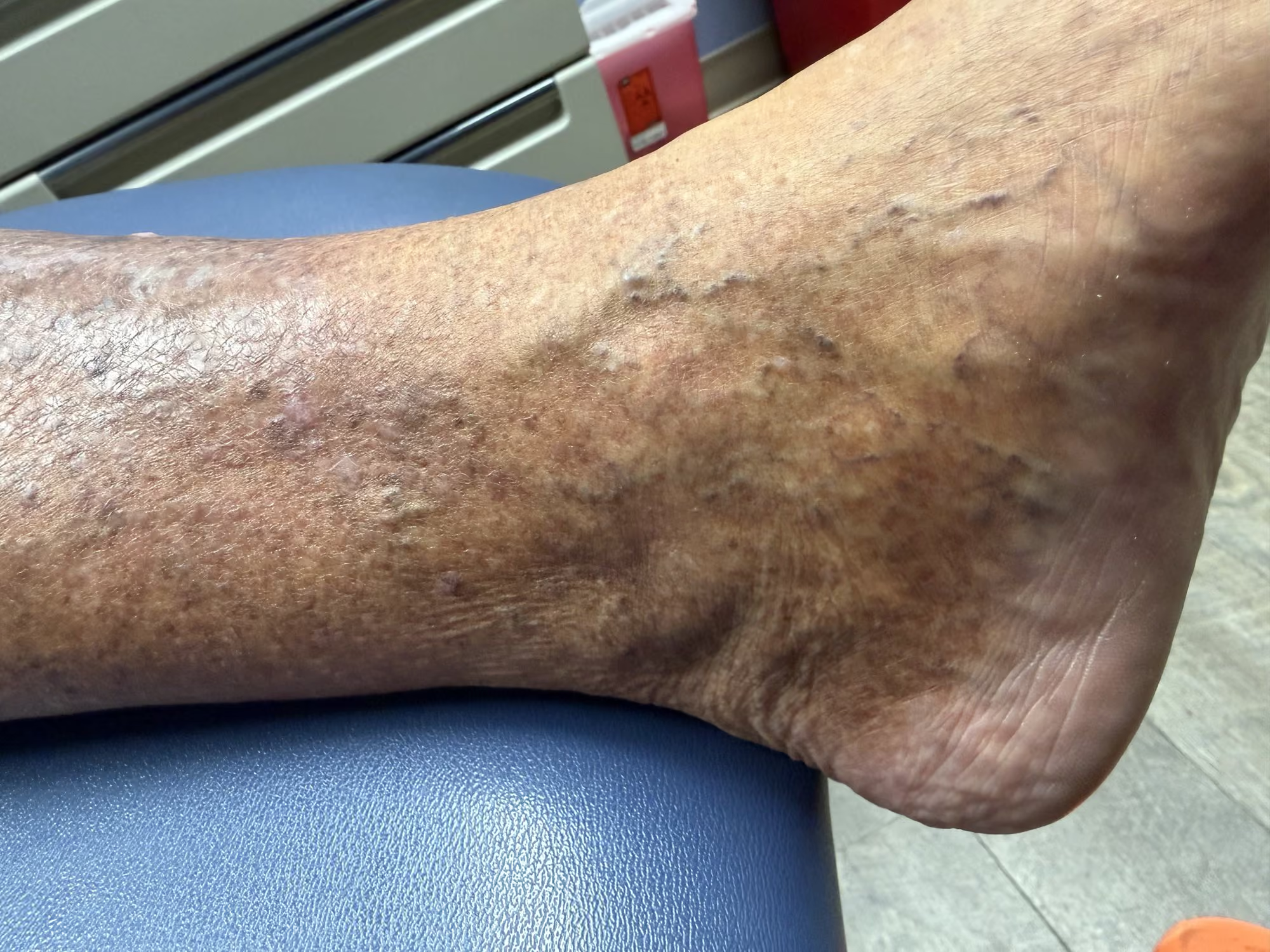
Over time, chronic venous insufficiency can cause skin discoloration, inflammation, thickening of the skin, and venous leg ulcers. These changes are sometimes referred to as venous stasis.
Controlling swelling with compression therapy is an important part of managing chronic venous insufficiency and helping prevent progressive skin changes and wounds.
What are the symptoms of chronic venous insufficiency?
- Leg, ankle, or foot swelling: Swelling commonly becomes worse later in the day or after prolonged standing.
- Aching or heaviness: The legs may feel tired, heavy, aching, or uncomfortable.
- Skin discoloration: Brown or reddish discoloration may develop around the ankles and lower legs.
- Skin changes: Chronic swelling may cause dry, irritated, inflamed, thickened, or hardened skin.
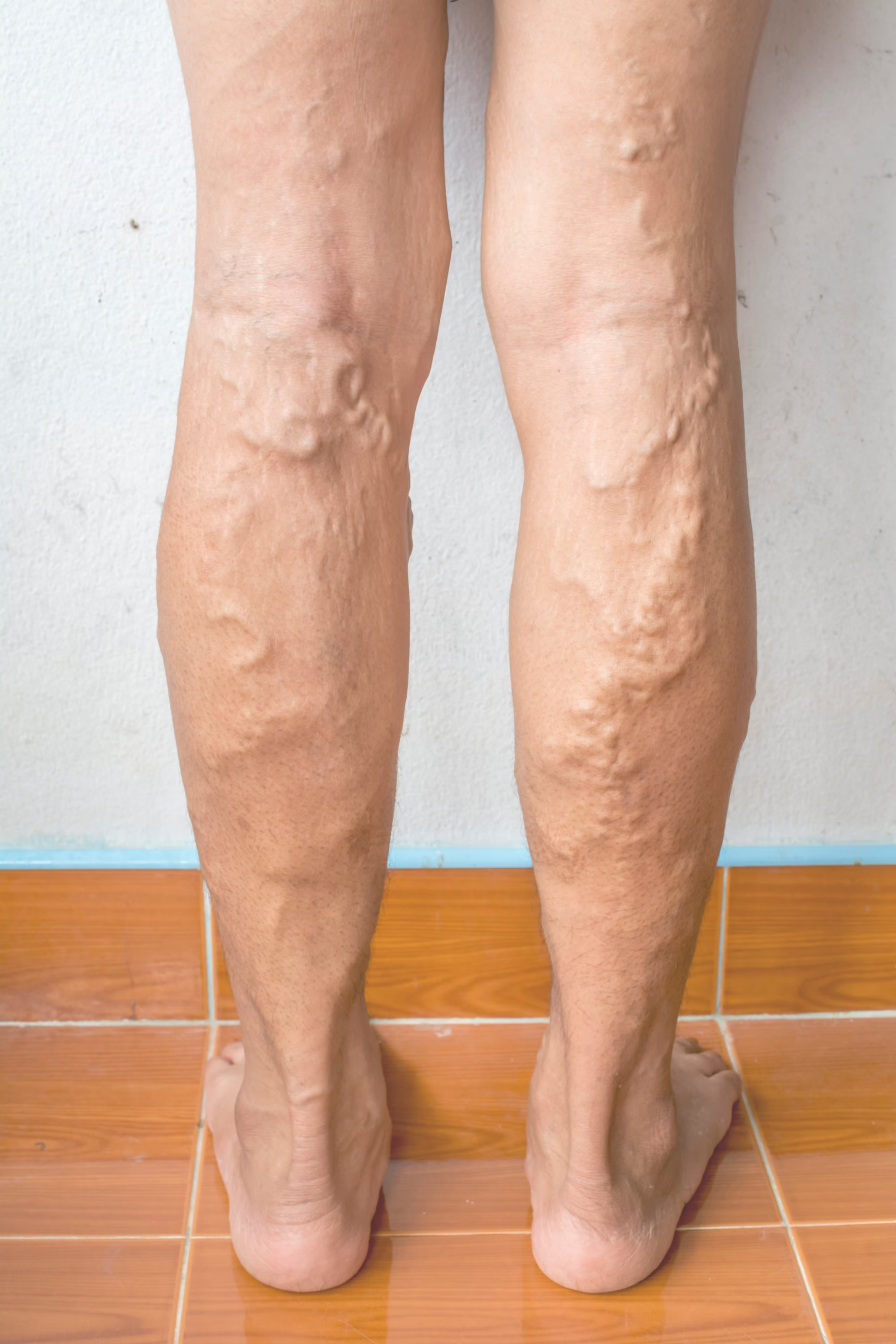
- Varicose veins: Enlarged or prominent veins may be present.
- Venous ulcers: Chronic venous disease can contribute to wounds, particularly around the lower leg and ankle.
What is lymphedema?
Lymphedema is chronic swelling that occurs when the lymphatic system cannot adequately drain fluid from the tissues. It may affect the foot, ankle, leg, or the entire lower extremity.
Lymphedema may develop following surgery, injury, infection, or damage to the lymphatic system, and in some patients there may be an underlying abnormality of the lymphatic system.
Treatment commonly focuses on controlling swelling, protecting the skin, and reducing the risk of wounds and infection. Patients with significant lymphedema may require treatment by a physician or therapist specializing in lymphedema management.
How is leg and ankle swelling diagnosed?
Diagnosis begins with a comprehensive foot and ankle examination. Our doctors evaluate the location and severity of the swelling, skin changes, circulation, foot and ankle structure, and whether the swelling affects one or both lower extremities.
The medical history is also important because medications and medical conditions can contribute to edema.
Depending on the suspected cause, additional testing or referral to a primary care physician, vascular specialist, cardiologist, or other medical specialist may be recommended. Vascular ultrasound and other diagnostic studies may be necessary when venous disease or a blood clot is suspected.
How is leg and ankle swelling treated?
Treatment depends on the underlying cause. Swelling caused by an injury requires different treatment than swelling caused by venous insufficiency, lymphedema, medication, or a systemic medical condition.
When appropriate, conservative treatment may include:
- Compression therapy: For patients with chronic venous insufficiency and venous-related swelling, daily use of compression stockings is strongly recommended and is one of the most important components of treatment. Compression helps improve venous return, reduce fluid accumulation, control swelling, and protect the skin from complications associated with chronic edema. The appropriate level of compression depends on the severity of the swelling and the patient's circulation. Patients with suspected or significant peripheral arterial disease should have their arterial circulation evaluated before using higher levels of compression.
- Elevation: Elevating the legs above the level of the heart can help reduce fluid accumulation in the lower extremities.
- Exercise and movement: Walking, ankle movement, and regular physical activity help activate the calf muscles, which assist in returning blood from the legs toward the heart.
- Avoiding prolonged sitting or standing: Changing position and moving regularly can help reduce fluid accumulation.
- Weight management: Maintaining a healthy weight may help reduce pressure on the lower-extremity venous and lymphatic systems.
- Skin care and moisturization: Keeping the skin clean and properly moisturized can help prevent dryness and cracking associated with chronic swelling.
- Appropriate footwear: Shoes should accommodate swelling without creating excessive pressure or friction against the skin.
- Treatment of the underlying condition: Injuries, infections, wounds, venous disease, lymphedema, or systemic medical conditions should be treated appropriately.
- Specialist referral: Significant venous disease, lymphedema, or swelling related to an underlying medical condition may require evaluation and treatment by an appropriate specialist.
Why is controlling chronic swelling important?
Persistent swelling places increased stress on the skin and underlying tissues. Over time, the skin may become stretched, dry, inflamed, discolored, or more susceptible to breakdown. It can also lead to decreased joint mobility, stiffness, and pain.
Chronic edema can increase the risk of wounds and infection, particularly in patients with diabetes, peripheral neuropathy, poor circulation, or other conditions that interfere with healing.
Controlling swelling, maintaining healthy skin, wearing appropriate footwear, and identifying wounds early are important components of long-term foot care.
When does leg swelling require urgent medical attention?
Most chronic swelling does not represent an emergency, but new or rapidly worsening swelling should not automatically be assumed to be venous stasis or simple edema.
Prompt medical evaluation is important for:
- Sudden swelling of one leg, particularly when associated with calf pain, tenderness, warmth, or redness, because this may be a sign of a deep vein thrombosis (DVT).
- Swelling associated with chest pain, shortness of breath, difficulty breathing, dizziness, or coughing up blood, which requires emergency medical evaluation.
- Redness, warmth, drainage, an open wound, fever, or rapidly increasing swelling, which may indicate an infection or other acute problem.
- New severe pain, discoloration, or a cold foot, which may indicate a significant circulation problem.
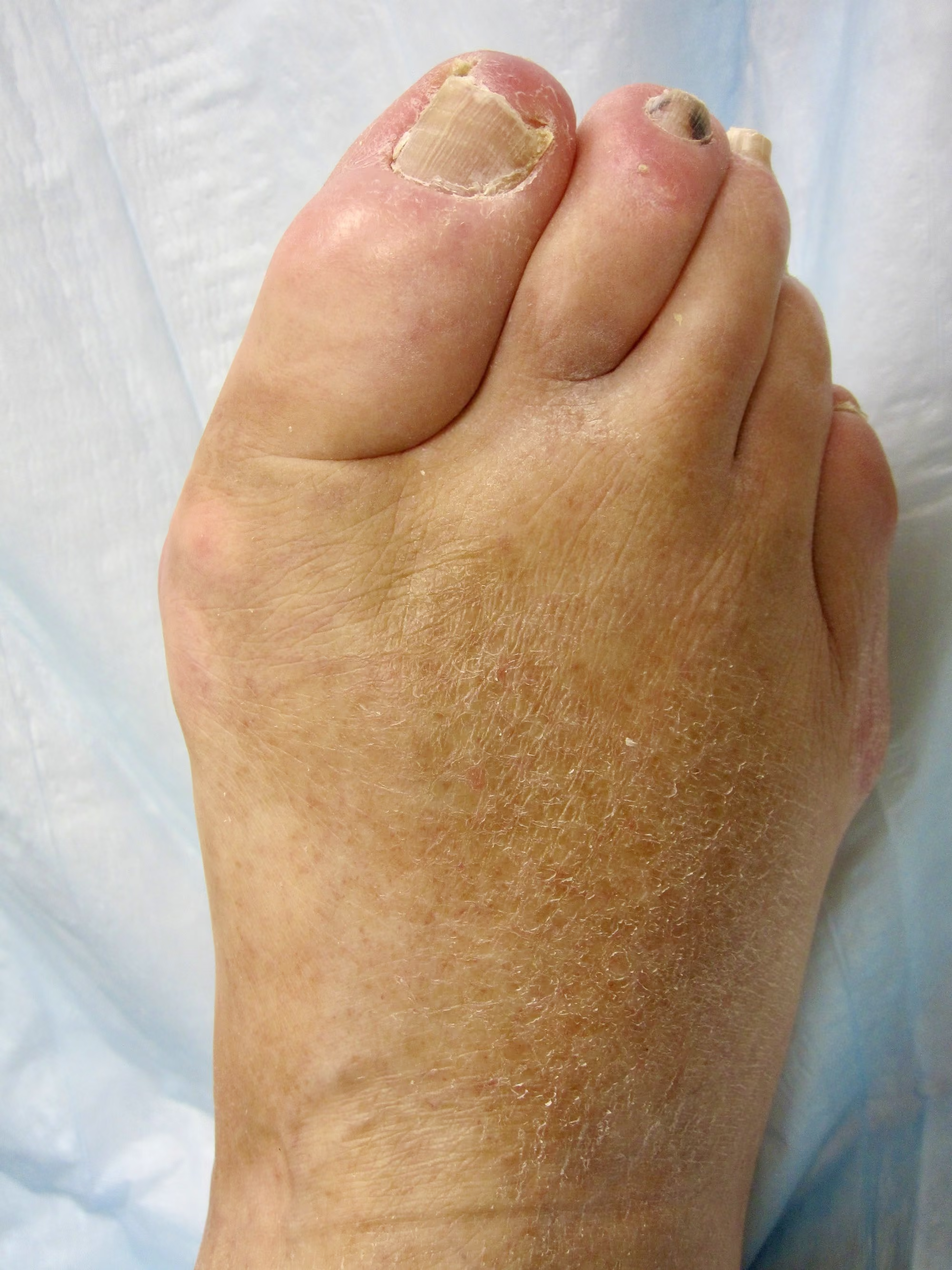
Dr. Stewart explains venous stasis and leg swelling
In this short talk, Dr. Stewart walks through what causes venous stasis, the signs to watch for in your legs and ankles, and the treatment options available at Timonium Foot and Ankle Center.
This video is for general education and is not a substitute for an in-person evaluation.