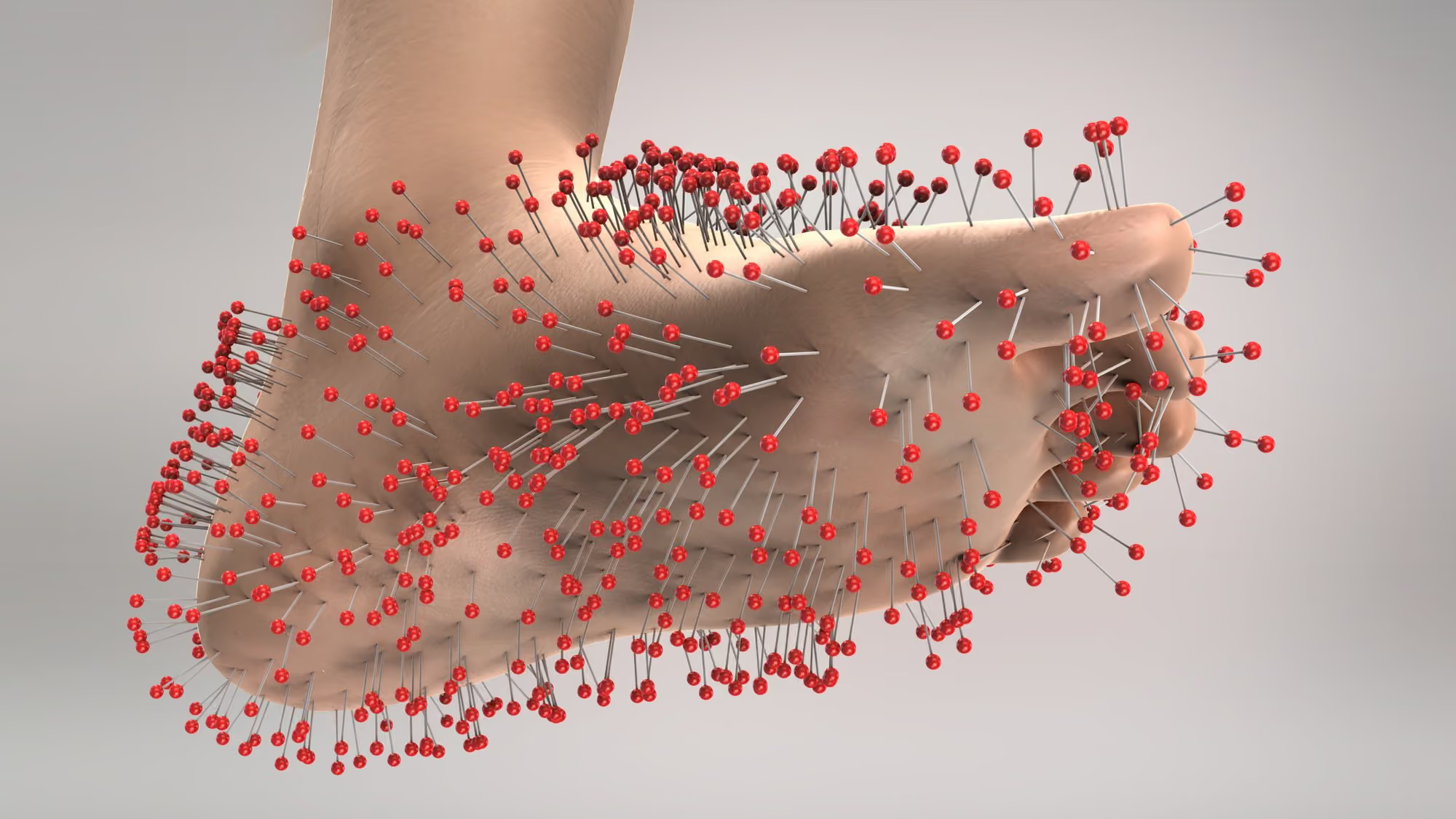


Peripheral Neuropathy
At Timonium Foot and Ankle Center, our doctors evaluate peripheral neuropathy to help determine the underlying cause, the extent of nerve involvement, and how the condition is affecting your feet. Because neuropathy can result from diabetes and many other medical conditions, an accurate diagnosis is important before developing a treatment plan.
Treatment depends on the cause and severity of the neuropathy. Care may include medications, topical treatments, therapeutic laser, protective footwear, custom orthotics when appropriate, and preventive foot care to reduce the risk of wounds and other complications.
If you are experiencing burning, tingling, numbness, or other changes in sensation in your feet, call our office or request an appointment online. We’ll evaluate your symptoms and develop a treatment plan based on your diagnosis and individual needs.
What is peripheral neuropathy?
Peripheral neuropathy is a condition caused by damage to the peripheral nerves, which carry information between the brain and spinal cord and the rest of the body. Peripheral neuropathy commonly affects the feet and legs and may cause burning, tingling, numbness, increased sensitivity, weakness, or loss of protective sensation.
Peripheral nerves have sensory, motor, and autonomic functions. Damage to these nerves can affect the ability to feel pain, pressure, and temperature; alter muscle function and foot structure; and reduce normal sweating of the skin. These changes can increase the risk of dry or cracked skin, corns and calluses, foot deformities, wounds, infections, and other complications.
Diabetes is one of the most common causes of peripheral neuropathy, but neuropathy can also develop from vitamin deficiencies, certain medications, alcohol use, chemotherapy, nerve compression, autoimmune conditions, kidney disease, and other medical conditions. In some patients, an underlying cause cannot be identified.
Symptoms of Peripheral Neuropathy
Symptoms vary depending on which nerves are affected and the severity of the nerve damage.
- Burning, tingling, or numbness: These symptoms commonly begin in the toes and feet and may gradually progress upward. The hands can also become involved.
- Pain: Neuropathic pain is often described as burning, shooting, stabbing, or electric-like.
- Loss of sensation: Reduced ability to feel pain, pressure, heat, or cold can make it difficult to recognize injuries to the feet.
- Increased sensitivity: Some patients develop hypersensitivity in which even light touch can be uncomfortable or painful.
- Dry or cracked skin: Autonomic nerve damage can reduce sweating, resulting in excessively dry skin that is more susceptible to cracking and skin breakdown.
- Muscle weakness: Motor nerve damage may cause weakness and muscle imbalance.
- Foot and toe deformities: Muscle imbalance can contribute to hammertoes, mallet toes, claw toes, and prominent areas of bone that increase pressure on the skin.
- Balance problems: Loss of sensation and awareness of foot position can contribute to instability and difficulty with balance.
- Charcot foot: In advanced cases, severe neuropathy can contribute to fractures, joint destruction, dislocation, and deformity known as Charcot neuroarthropathy.
Why can peripheral neuropathy be dangerous for the feet?
Peripheral neuropathy can cause patients to lose protective sensation, meaning they may not feel an injury that would normally cause pain.
A blister, burn, cut, puncture wound, foreign body, or excessive pressure from a shoe may therefore go unnoticed. Continued walking on an injured area can cause further tissue damage and may lead to a foot ulcer.
Motor neuropathy can also contribute to foot deformities and prominent bones that create areas of increased pressure. Autonomic neuropathy may cause dry, cracked skin that provides an entry point for bacteria.
For these reasons, patients with significant peripheral neuropathy should routinely inspect their feet and seek evaluation promptly when a new wound, redness, swelling, drainage, or other change develops.
How is peripheral neuropathy diagnosed?
Diagnosis begins with a comprehensive foot and ankle examination. Our doctors evaluate sensation, muscle strength, reflexes, skin condition, foot structure, areas of abnormal pressure, and circulation.
Testing may be performed to determine whether protective sensation has been lost. Depending on the symptoms and suspected cause, additional testing may include electromyography (EMG), nerve conduction studies, laboratory testing, nerve biopsy, imaging studies, or referral to a neurologist or other medical specialist.
Because peripheral neuropathy has many potential causes, identifying and appropriately managing the underlying condition is an important part of treatment.
How is peripheral neuropathy treated?
Treatment of peripheral neuropathy depends on the underlying cause, the type and severity of symptoms, and how the neuropathy is affecting the feet.
When an underlying medical condition is responsible, appropriate management by the patient's primary care physician or medical specialist is important. For example, maintaining good blood sugar control in patients with diabetes can help reduce the risk of developing neuropathy and may help slow its progression.
Although established nerve damage cannot always be reversed, treatment can help manage symptoms and, importantly, reduce the risk of wounds and other complications associated with loss of sensation.
Conservative treatment options
- Management of the underlying cause: Diabetes and other medical conditions associated with neuropathy should be appropriately managed in coordination with the patient's medical team.
- Routine preventive foot care: Professional nail care and treatment of corns and calluses may be appropriate for patients with loss of protective sensation or other risk factors.
- Daily foot inspections: Patients with reduced sensation should examine their feet every day for blisters, cuts, cracks, redness, swelling, drainage, pressure areas, or other changes.
- Skin care: Regular moisturizing can help prevent excessive dryness and cracking. Moisturizer should generally not be applied between the toes, where excess moisture may contribute to skin problems.
- Protective and supportive footwear: Properly fitted shoes can protect the feet and reduce areas of excessive pressure. Patients with significant loss of sensation should avoid barefoot walking.
- Custom foot orthotics: Custom orthotics may help redistribute pressure and accommodate structural abnormalities when appropriate.
- Extra-depth shoes and accommodative inserts: Patients with significant neuropathy, foot deformity, or areas of increased pressure may benefit from specialized footwear and inserts to reduce friction and pressure.
- Vitamin supplementation: Vitamin deficiencies, particularly deficiencies involving certain B vitamins, can contribute to peripheral neuropathy, and vitamin supplementation may be recommended as part of the treatment plan.
- Oral medications: Prescription medications may be used to manage painful neuropathy. Medication selection depends on the patient's symptoms, medical history, and other medications.
- Topical medications: Certain topical medications may help reduce burning or other neuropathic discomfort in selected patients.
- Therapeutic laser: Laser therapy may be considered as an adjunctive treatment for symptoms in selected patients.
- Control of swelling when present: Persistent foot or leg swelling should be evaluated and appropriately treated. Compression therapy may be considered when appropriate based on circulation and the underlying cause of the swelling.
Surgical Treatment
Surgery does not generally treat the underlying peripheral neuropathy itself. However, surgical treatment may be appropriate when a structural deformity, prominent bone, nerve entrapment, recurrent ulceration, or other condition is contributing to symptoms or placing the foot at risk.
The procedure depends on the specific diagnosis, foot structure, circulation, severity of neuropathy, and individual risk factors.