
Corns and Calluses
At Timonium Foot and Ankle Center, our doctors have extensive experience evaluating and treating painful corns and calluses. Because these areas of thickened skin often develop from an underlying structural or mechanical problem, treatment starts with determining where the pressure is coming from and what is causing the skin to repeatedly thicken.
Many painful corns and calluses can be managed without surgery. Treatment may include professional trimming of the thickened skin, supportive footwear, padding, custom orthotics, skin care, or other conservative treatments designed to reduce pressure on the affected area.
If a painful corn or callus is making it difficult to walk, exercise, or wear shoes comfortably, call our office or request an appointment online. We’ll determine what’s causing the problem and develop a treatment plan based on your diagnosis, foot structure, activity level, and goals.
What is a corn?
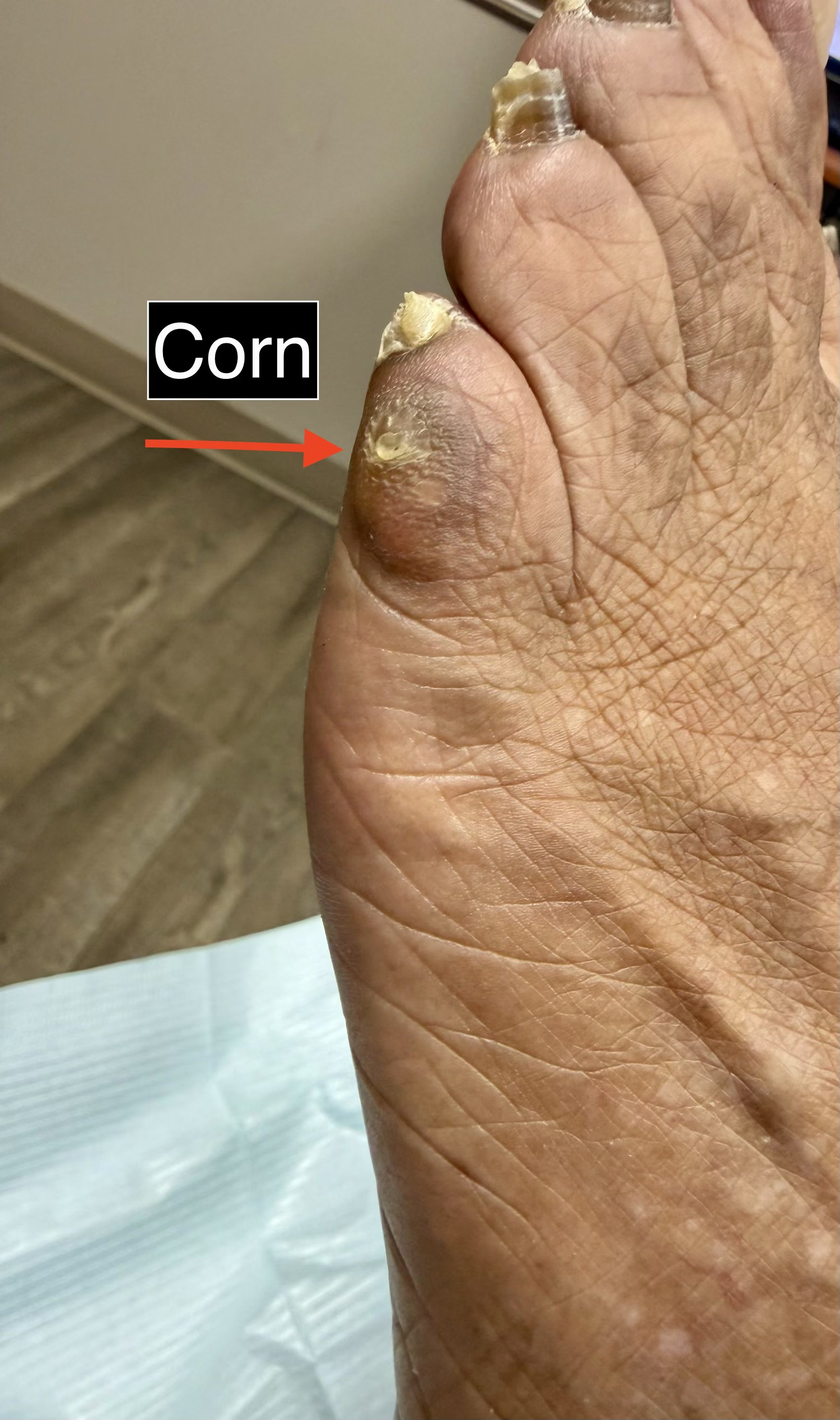
A corn is a concentrated area of thickened skin that typically develops over or between the toes where there is repeated pressure or friction. Corns frequently develop over prominent toe joints associated with hammertoes or other toe deformities.
The top of the fifth toe is another common location because the toe may repeatedly rub against the inside of a shoe. Corns can develop a firm central core and become quite painful when pressure is applied.
What is a callus?
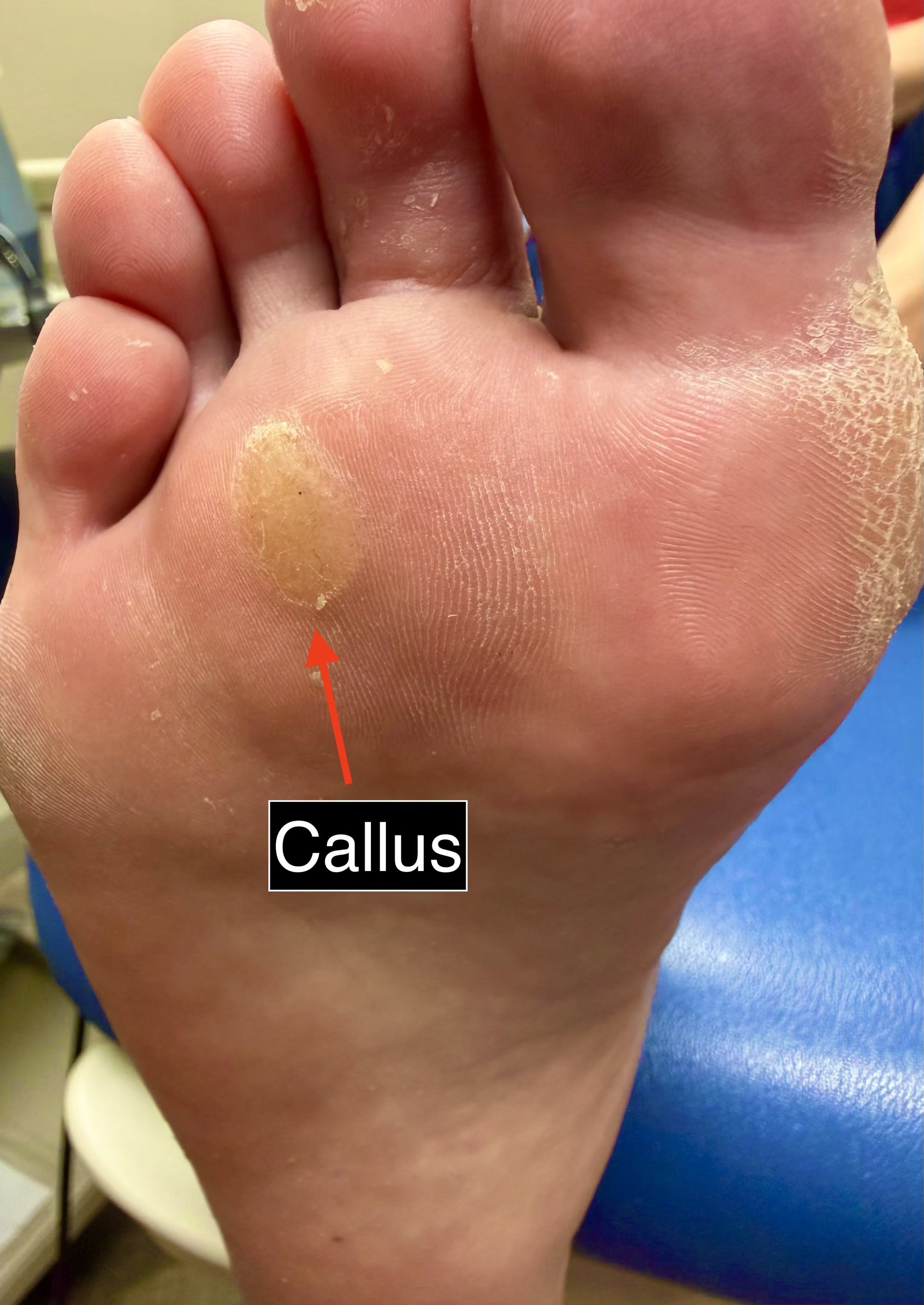
A callus is a broader area of thickened skin that most commonly develops on the bottom of the foot, particularly beneath areas exposed to increased pressure.
The ball of the foot is a common location. A prominent or plantarflexed metatarsal bone can create increased pressure against the ground, causing the skin to thicken as a protective response. Calluses can also develop along the sides of the foot or at the tips of the toes.
What is a porokeratosis?
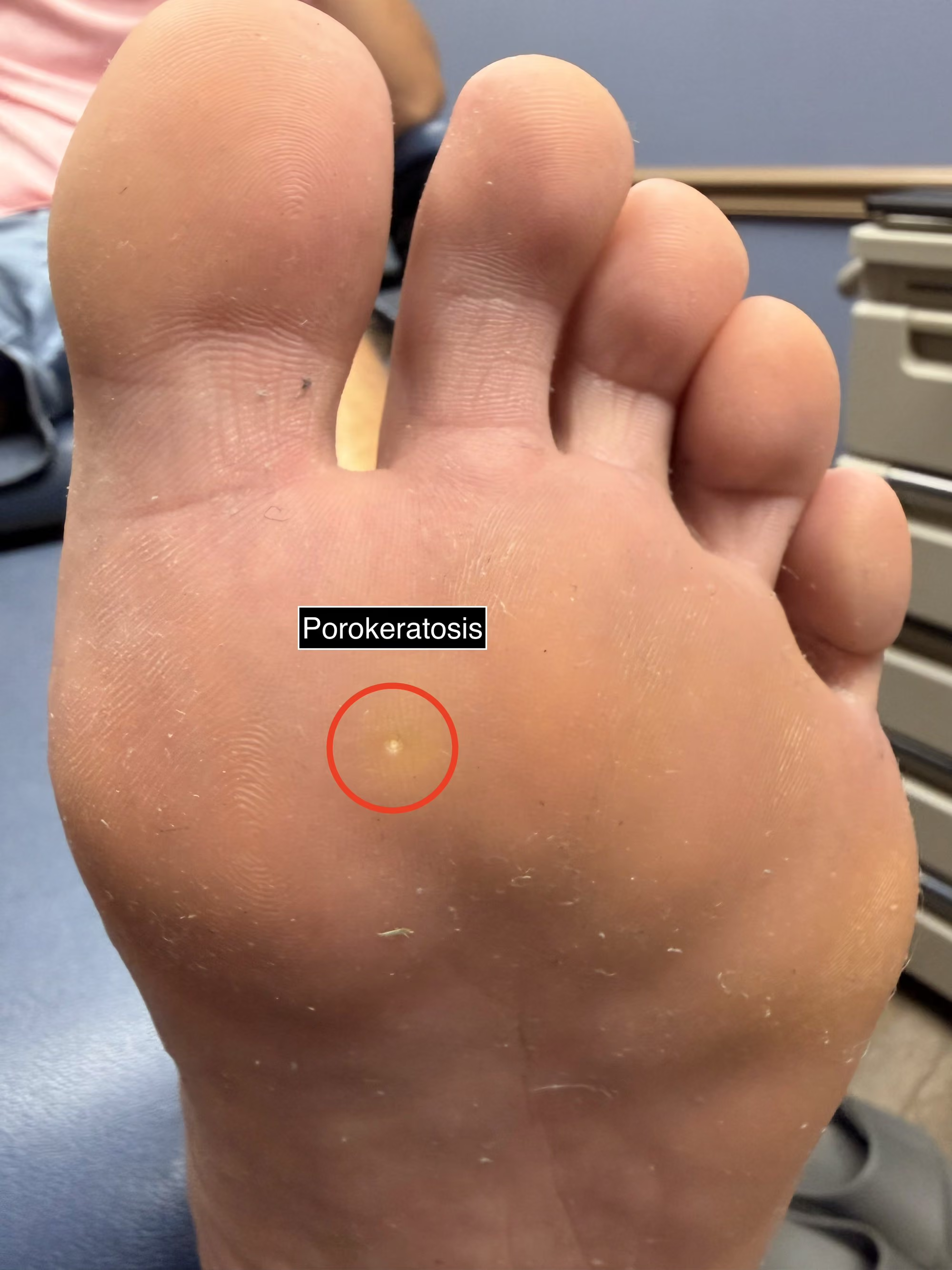
A porokeratosis of the foot is a small, well-defined area of thickened skin with a firm central core that commonly develops on a weight-bearing surface of the foot. These lesions are often much smaller than a typical callus but can cause significant pain because pressure is concentrated over a very small area.
Patients often describe the sensation as feeling like they are walking on a pebble or small stone. Porokeratoses commonly develop beneath the ball of the foot or other areas exposed to repetitive pressure.
Because plantar warts, corns, calluses, and other skin lesions can sometimes have a similar appearance, an accurate diagnosis is important before treatment.
What are the symptoms of corns and calluses?
- Thickened skin: An area of hard or thickened skin develops where the foot is exposed to repeated pressure or friction.
- Pain with walking: Corns, calluses, and porokeratoses can become painful when pressure is placed directly on the affected area.
- Pain in shoes: Corns over prominent areas of the toes may become particularly painful when rubbing against shoes.
- Focal tenderness: A small corn or porokeratosis may cause significant localized pain despite the relatively small size of the lesion.
- Skin breakdown: Significant pressure beneath a corn or callus can sometimes result in breakdown of the underlying skin and development of an ulcer.
- Signs of infection: Redness, warmth, swelling, drainage, pus, odor, or increasing pain may indicate infection and should be evaluated promptly.
Patients with diabetes, peripheral neuropathy, poor circulation, or other conditions that increase the risk of foot wounds should be particularly careful with corns and calluses and should not attempt to cut them themselves due to risk of injury.
How are corns, calluses, and porokeratoses diagnosed?
Diagnosis is usually made through a comprehensive foot examination. Our doctors evaluate the location and appearance of the skin lesion and look for underlying areas of increased pressure, prominent bones, toe deformities, and abnormalities in foot structure or mechanics.
When appropriate, weight-bearing X-rays are obtained to determine if an underlying bone prominence, toe deformity, or other structural condition is suspected.
Because plantar warts and other skin lesions can sometimes resemble corns, calluses, or porokeratoses, establishing the correct diagnosis is important before beginning treatment.
How are corns and calluses treated?
Treatment is directed at relieving pain, safely reducing the thickened skin, and whenever possible addressing the pressure or structural problem responsible for its development.
Most corns and calluses can initially be treated conservatively.
Conservative treatment options
- Professional debridement: Thickened or painful corns and calluses can be carefully reduced to relieve pressure and improve comfort. Patients, particularly those with diabetes, neuropathy, or poor circulation, should avoid cutting these lesions themselves with sharp instruments because of the risk of injury, ulceration, and infection.
- Supportive footwear: Wider or deeper supportive shoes can reduce pressure and friction over prominent areas of the foot.
- Padding and offloading: Donut pads, silicone pads, metatarsal pads, and other offloading devices may be used to redistribute pressure away from painful areas.
- Custom orthotics: Prescription custom orthotics can redistribute pressure, improve foot mechanics, and offload prominent bones or other areas responsible for recurrent callus formation.
- Skin care: Urea-based creams and other keratolytic moisturizers may help soften and reduce excessively thick skin.
- Treatment of the underlying deformity: Hammertoes, prominent metatarsal bones, and other structural problems contributing to recurrent pressure should be addressed as part of the treatment plan.
- Dermal fillers: Injectable dermal fillers may be usedto provide additional cushioning beneath areas of increased pressure.
How is a porokeratosis treated?
Treatment typically involves carefully reducing the thickened skin and central core to relieve pressure and pain followed by application of acid to reduce thickened skin growth. Padding, supportive footwear, and custom orthotics may be used to reduce pressure on the affected area and help decrease recurrence.
Because these lesions frequently return when the underlying pressure remains present, long-term treatment is often directed at offloading the area rather than simply removing the thickened skin each time it develops. Injectable dermal fillers may be used to provide additional cushioning beneath areas of increased pressure.
When is surgery considered for corns and calluses?
Surgery may be considered when a painful corn or callus repeatedly returns despite appropriate conservative treatment and an underlying bone or toe deformity continues to create excessive pressure.
The goal of surgery is not simply to remove the corn or callus. Instead, surgery addresses the underlying structural problem responsible for the abnormal pressure, helping reduce the likelihood that the lesion will return.
Surgical treatment options
- Arthroplasty: Removal or remodeling of a prominent portion of a toe joint associated with a painful corn.
- Arthrodesis: Fusion of a toe or other joint to correct a deformity and reduce abnormal pressure.
- Tenotomy: Release of a tendon in selected flexible toe deformities to improve alignment and reduce pressure.
- Syndactyly: Surgical joining of adjacent toes may be considered in selected recurrent interdigital corn deformities.
- Ostectomy: Removal of a prominent portion of bone responsible for excessive pressure.
- Osteotomy: Surgical cutting and repositioning of a bone to redistribute pressure, with fixation using screws, plates, or wires when necessary.