

Back to Services
Service · Conservative Care

Conservative, Non-Surgical Foot and Ankle Care in Timonium, MD

Most foot and ankle conditions can be successfully treated without surgery. At Timonium Foot and Ankle Center, treatment begins with a thorough evaluation and an accurate diagnosis so our doctors can identify the cause of your symptoms and recommend the most appropriate treatment.

Whenever possible, we begin with conservative options such as custom orthotics, physical therapy, Class IV laser therapy, bracing, injections, medications, and footwear modifications. Our goal is to relieve pain, restore function, and help you return to the activities you enjoy while avoiding surgery whenever appropriate.
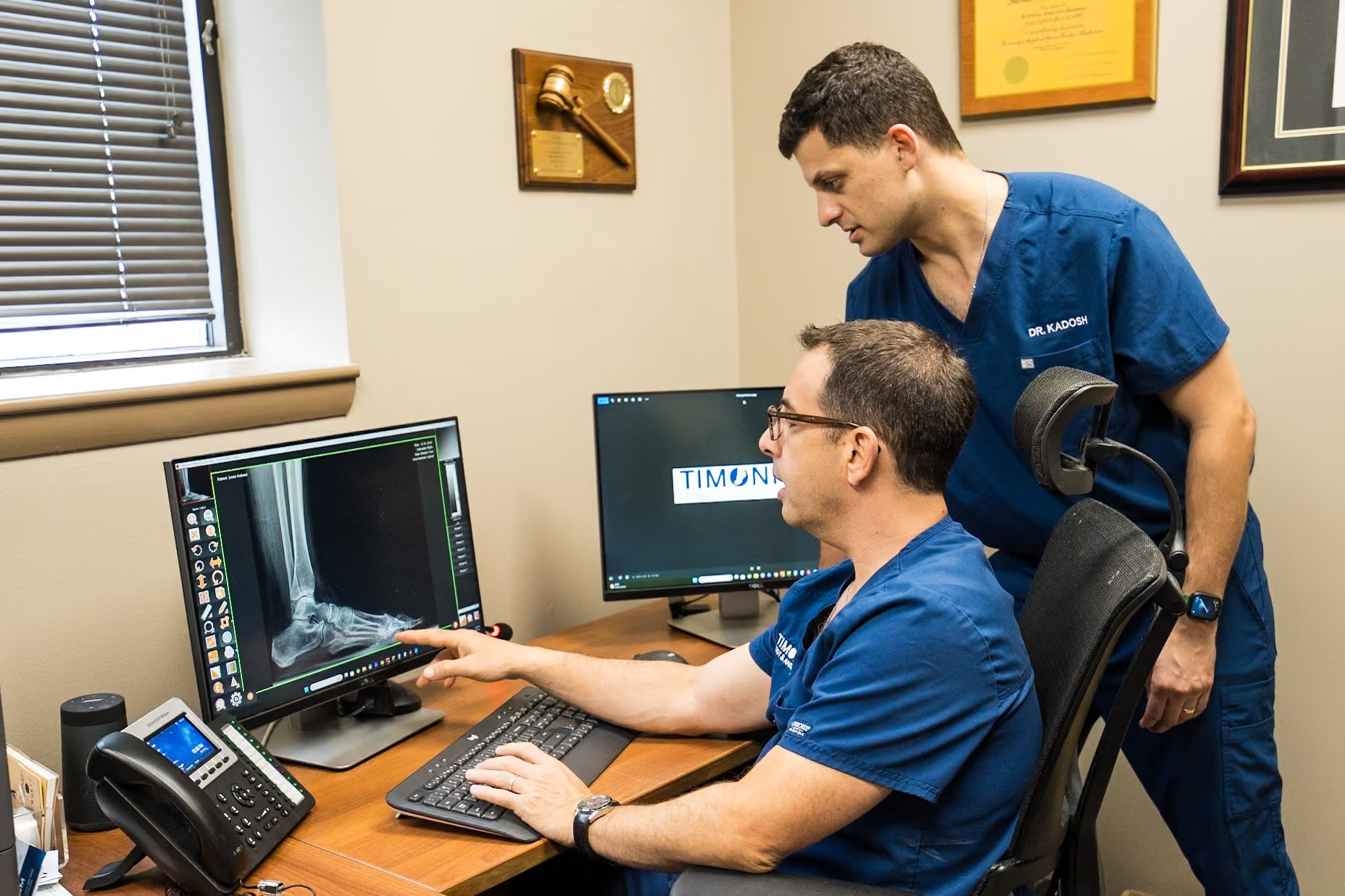
Conservative, non-surgical foot and ankle care

What does “conservative-first” care actually mean?

Conservative-first care means choosing the least invasive treatment likely to provide meaningful improvement based on your diagnosis, symptoms, activity level, and goals. For most patients, that means exploring appropriate non-surgical treatments before considering surgery.

Conservative care does not mean delaying surgery when surgery is the better option. Our doctors evaluate both non-surgical and surgical treatment options and recommend the approach most likely to provide the best long-term outcome.
Custom Foot Orthotics
Prescription devices designed specifically for your feet to improve function, redistribute pressure, reduce stress on injured tissues, and help prevent recurring problems.
Learn more about custom foot orthotics
Laser Therapy for pain or nails
Pain: A non-invasive treatment used to help reduce inflammation, relieve pain, and support the body’s natural healing process.
‍Learn more about laser therapy for pain

Nails: A non-invasive treatment to help treat toenail fungus and other nail conditions.
‍Learn more about laser therapy for nails‍
Injections
Targeted injections may be used to reduce inflammation and pain or treat specific foot and ankle conditions as part of a comprehensive treatment plan.
Rehabilitation and Physical Therapy
Targeted stretching, strengthening, mobility, and rehabilitation exercises to restore function and support a safe return to activity.
Durable Medical Equipment
Walking boots, braces, night splints, AFOs, and other devices can protect injured tissues, improve function, and support healing.
Footwear Guidance
Recommendations for properly fitted, supportive footwear to improve comfort, reduce stress on injured tissues, and complement your treatment plan.

A Healthier Body Supports Healthier Feet

Foot and ankle pain and excess weight can create a frustrating cycle. Pain may limit activity, reduced activity can contribute to weight gain, and additional weight can place greater stress on the feet and ankles. When excess weight or reduced fitness is contributing to a foot or ankle problem, addressing those factors can be an important part of conservative treatment.

At Timonium Foot and Ankle Center, our approach extends beyond simply treating the painful area. When appropriate, our doctors help patients develop practical strategies to remain active, improve fitness, and reduce weight while protecting an injured or painful foot or ankle. Over the years, he has helped hundreds of patients lose weight, improve their fitness, and return to activities they once thought were no longer possible.

Staying Active While Your Foot or Ankle Heals

Walking and running can be excellent forms of exercise, but they are not always the best choices while recovering from a foot or ankle injury. Repetitive impact may continue to stress injured tissues and delay recovery.

Instead, lower-impact activities such as cycling, rowing, swimming, or elliptical training may allow you to maintain cardiovascular fitness while reducing stress on the injured area. Strength training—including seated or non-weight-bearing exercises when appropriate—can also help maintain muscle, strength, and overall fitness during recovery.

When is foot or ankle surgery actually necessary?

Most foot and ankle conditions can be successfully treated without surgery. However, surgery may become the best treatment option when appropriate conservative care has not provided sufficient relief, when a structural problem cannot be adequately corrected non-surgically, or when certain injuries—such as unstable fractures or complete tendon ruptures—are unlikely to heal properly without surgical intervention.

When surgery is recommended, our doctors will explain why it may be appropriate, discuss your treatment options, review the procedure and recovery process, and answer your questions so you can make an informed decision. Surgery is recommended when it offers a better opportunity for a successful long-term outcome than continued non-surgical treatment.

Learn more on our Foot and Ankle Surgery page.

‍

Patient stories
From the moment you walk in to the moment you finish every visit, Dr. J. Stewart and his team make patients feel welcome, listened to, and cheerfully respected. Dr. Stewart identified my problem immediately and it is now fixed. As an aside to my visit, he also offered me additional health information that has been life-changing. I truly appreciate the team's care.
Ellen
Dr. Stewart is truly one of a kind. I came in for a foot issue, but he didn’t just focus on the immediate problem, he took the time to look at the whole picture, considering how my overall health and body mechanics might be contributing. His thoroughness, patience, and genuine dedication to my well-being was unlike anything I’ve experienced before from a specialist. I left feeling confident and cared for. Highly recommend!
David Insell
Frequently Asked Questions About Conservative Foot and Ankle Care
Can most foot and ankle problems really be treated without surgery?
Yes. Most foot and ankle conditions improve with appropriate non-surgical treatment. Depending on your diagnosis, treatment may include custom orthotics, physical therapy, laser therapy, injections, medical equipment, footwear modifications, activity modification, or other conservative treatments. Surgery is recommended only when it offers the best opportunity for long-term improvement.
How long does non-surgical treatment take to work?
The timeline varies depending on your diagnosis and the severity of your condition. Some patients notice improvement within a few weeks, while others require several months of treatment. During your visits, our doctors monitor your progress and adjust your treatment plan as needed
Can I continue exercising while my foot is healing?
In many cases, yes. Rather than stopping all activity, our doctors often recommends modifying your exercise routine to reduce stress on the injured foot while maintaining your overall fitness. Low-impact activities such as cycling, rowing, swimming, or elliptical exercise are often better options during recovery than walking or running.
Is conservative care covered by insurance?
Most office visits and many conservative treatments are covered by insurance, although coverage varies depending on your insurance plan and the specific treatment provided. Our office will help you understand your benefits and any potential out-of-pocket costs.
What if conservative treatment doesn't work?
If appropriate conservative treatment does not provide sufficient improvement, our doctors will discuss whether surgery or another treatment option is appropriate. Because conservative treatment is always considered first, you can be confident that surgery is recommended only when it offers the best chance for a successful long-term outcome.
Will losing weight help my foot pain?
For many patients, yes. Excess body weight increases stress on the feet and ankles and can contribute to conditions such as plantar fasciitis, arthritis, tendon injuries, and stress fractures. When appropriate, our doctors provides practical guidance on nutrition, exercise, and weight management as part of a comprehensive treatment plan to improve both foot health and overall wellness.
Why should I see a foot and ankle surgeon if I want to avoid surgery?
Because the best person to determine whether surgery is truly necessary is someone who performs it. As a board-certified surgeon, Dr. Stewart is experienced in both conservative and surgical treatment. His recommendations are based on what is most appropriate for your condition—not on whether surgery is available.
Get Started

Let's Find the Right Treatment—Starting with the Least Invasive Option

Early evaluation allows us to diagnose the problem accurately and begin the most appropriate treatment before it has a chance to worsen.
Call Office Request an Appointment