


Fractures
At Timonium Foot and Ankle Center, our doctors have extensive experience evaluating and treating foot and ankle fractures. Because fractures can sometimes resemble sprains, tendon injuries, and other conditions, treatment starts with an accurate diagnosis and determining the location, type, and severity of the fracture.
Many foot and ankle fractures can be treated without surgery. Treatment may include immobilization, bracing, activity modification, and other conservative treatments, while displaced or unstable fractures may require surgical repair.
If you've injured your foot or ankle or have persistent pain that may be caused by a stress fracture, call our office or request an appointment online. We'll determine the extent of the injury and develop a treatment plan based on your diagnosis, activity level, and goals.
What is a fracture?
A fracture is a break in a bone. Foot and ankle fractures can occur suddenly from an injury or develop gradually from repetitive stress. Fractures vary in severity and may involve a small crack in the bone, a complete break, displacement of the bone, or injury extending into a joint.
Traumatic or acute fractures occur as the result of a specific injury, such as a fall, twisting injury, direct impact, or sports-related injury. These fractures may be nondisplaced, meaning the bone remains in its normal alignment, or displaced, meaning the fractured portions of the bone have moved out of their normal position.
Stress fractures are small cracks in the bone that typically develop from repetitive stress or overuse rather than a single traumatic event. They are common in athletes and physically active individuals and frequently involve the metatarsal bones of the foot or the tibia in the lower leg. Patients with weakened bones, including those with osteoporosis, may also be at increased risk for stress fractures.
What are the symptoms of an acute or traumatic fracture?
Symptoms depend on the location and severity of the fracture and may include:
- Pain and swelling: Pain and swelling commonly develop shortly after the injury and may make standing or walking difficult.
- Bruising: Bruising, also known as ecchymosis, may develop around the injured area.
- Difficulty bearing weight: Walking or placing weight on the injured foot or ankle may be painful or impossible with more significant fractures.
- Deformity: A displaced fracture may cause visible angulation or a change in the normal shape or position of the foot or ankle.
- Joint dislocation: More severe injuries may involve displacement or dislocation of an adjacent joint.
- Cracking or popping sensation: Some patients hear or feel a crack or pop at the time of injury.
What are the symptoms of a stress fracture?
Stress fracture symptoms often develop gradually rather than following a specific injury. Common symptoms include:
- Focal pain: Pain is usually concentrated over the affected bone and may be tender to direct pressure.
- Pain with activity: Pain typically worsens with walking, running, exercise, or other weight-bearing activity and improves with rest, particularly during the earlier stages.
- Swelling: Localized swelling may develop and can become persistent as the injury progresses.
- Aching or throbbing pain: The affected area may develop a persistent aching or throbbing sensation.
- Progressive symptoms: As a stress fracture worsens, pain may begin occurring with normal walking or even at rest.
How are foot and ankle fractures diagnosed?
Foot and ankle fractures are diagnosed through a comprehensive examination. Our doctors evaluate the location of pain and swelling, areas of tenderness, bruising, deformity, joint stability, and the patient's ability to bear weight.
Weight-bearing or non-weight-bearing X-rays may be obtained depending on the injury and are used to identify fractures and evaluate bone alignment, displacement, and joint involvement. Additional imaging such at an MRI or CT scan may be recommended to identify fractures.
Stress fractures may not always be visible on X-rays during the early stages of the injury. When a stress fracture is suspected despite normal initial X-rays, additional imaging such as an MRI or CT scan may be recommended to identify the injury and determine its extent.
How are acute or traumatic fractures treated?
Treatment depends on the location, type, alignment, and severity of the fracture. Many nondisplaced fractures can be treated without surgery using a period of immobilization while the bone heals.
Conservative treatment options
- Immobilization: Depending on the fracture, treatment may include a cast and crutches, walking cast, walking boot, or hard-soled surgical shoe to protect the bone during healing.
- Activity modification: Weight-bearing and physical activity may need to be restricted depending on the location and stability of the fracture.
- Ice and elevation: Ice and elevation may help control pain and swelling following an acute injury.
- Follow-up X-rays: Repeat X-rays may be obtained during recovery to evaluate fracture healing and ensure that the bone remains properly aligned.
Many fractures require approximately six weeks for bone healing, although recovery can take longer depending on the type and location of the fracture, its severity, overall health, and other factors that can affect bone healing.
When is surgery considered for an acute or traumatic fracture?
Surgery may be considered when a fracture is significantly displaced, unstable, involves a joint, cannot be maintained in appropriate alignment with immobilization, or is associated with other significant injuries.
The goal of surgery is to restore the bone and joint as closely as possible to their normal anatomical position and provide enough stability for the fracture to heal properly.
Surgical treatment options
- Fracture reduction: The fractured bone is repositioned into appropriate alignment.
- Internal fixation: Surgical screws, a combination of plates, and screws, or surgical wires or pins may be used to stabilize the fracture while the bone heals.
- External fixation: In certain severe or unstable fractures, an external fixation device may be used to maintain bone and joint alignment while the injury heals or until definitive surgical repair can be performed.
How are stress fractures treated?
Because stress fractures develop from repetitive stress on the bone, reducing the activity responsible for the injury is an important part of treatment. Continuing high-impact or repetitive activity before the bone has healed can cause the fracture to worsen and may potentially result in a complete fracture.
- Activity modification: Running, jumping, prolonged walking for exercise, and other activities that repeatedly stress the injured bone may need to be temporarily discontinued or modified.
- Immobilization: Depending on the location and severity of the stress fracture, a cast, walking boot, or hard-soled surgical shoe may be used to protect the bone during healing.
- Protected or non-weight-bearing: Crutches or other assistive devices may be recommended when weight-bearing needs to be reduced or avoided.
- Compression therapy: Prescription compression stockings may be recommended when appropriate to help control persistent swelling.
- Ice and elevation: Ice and elevation may help reduce pain and swelling.
- Gradual return to activity: Physical activity should be gradually resumed once sufficient bone healing has occurred to reduce the risk of reinjury.
Many stress fractures require approximately six weeks to heal, although some locations and types of stress fractures can require considerably longer. Returning to activity too early can delay healing, cause the fracture to progress, and in some cases increase the likelihood that surgical treatment will be necessary.
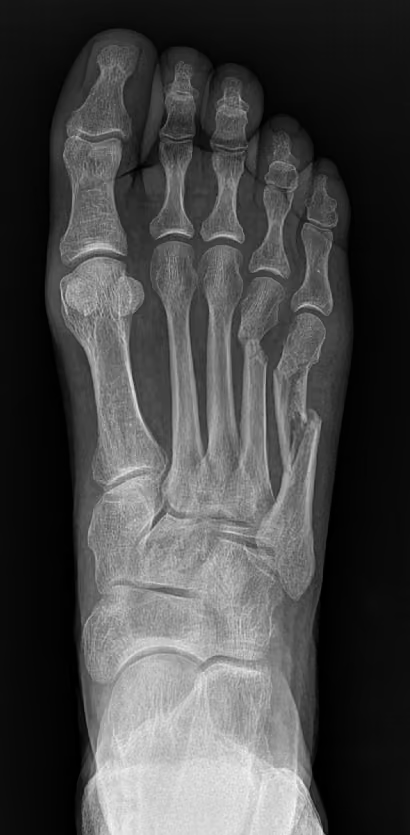
Fractured metatarsals
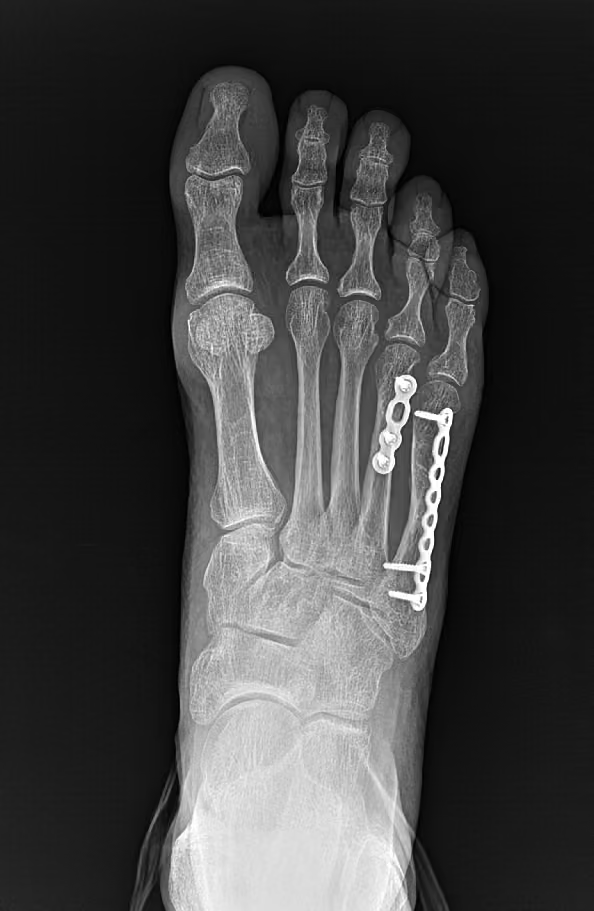
Surgical repair by Dr. Stewart
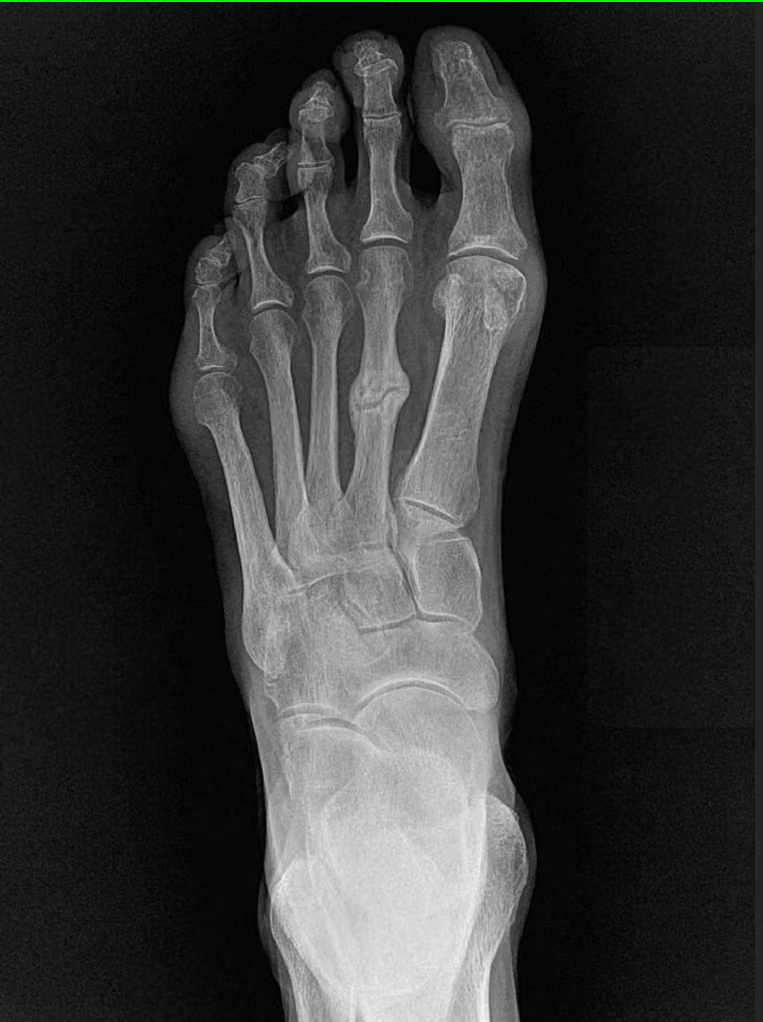
Stress fracture 2nd metatarsal