

Laser Treatment for Toenail Fungus in Timonium, MD
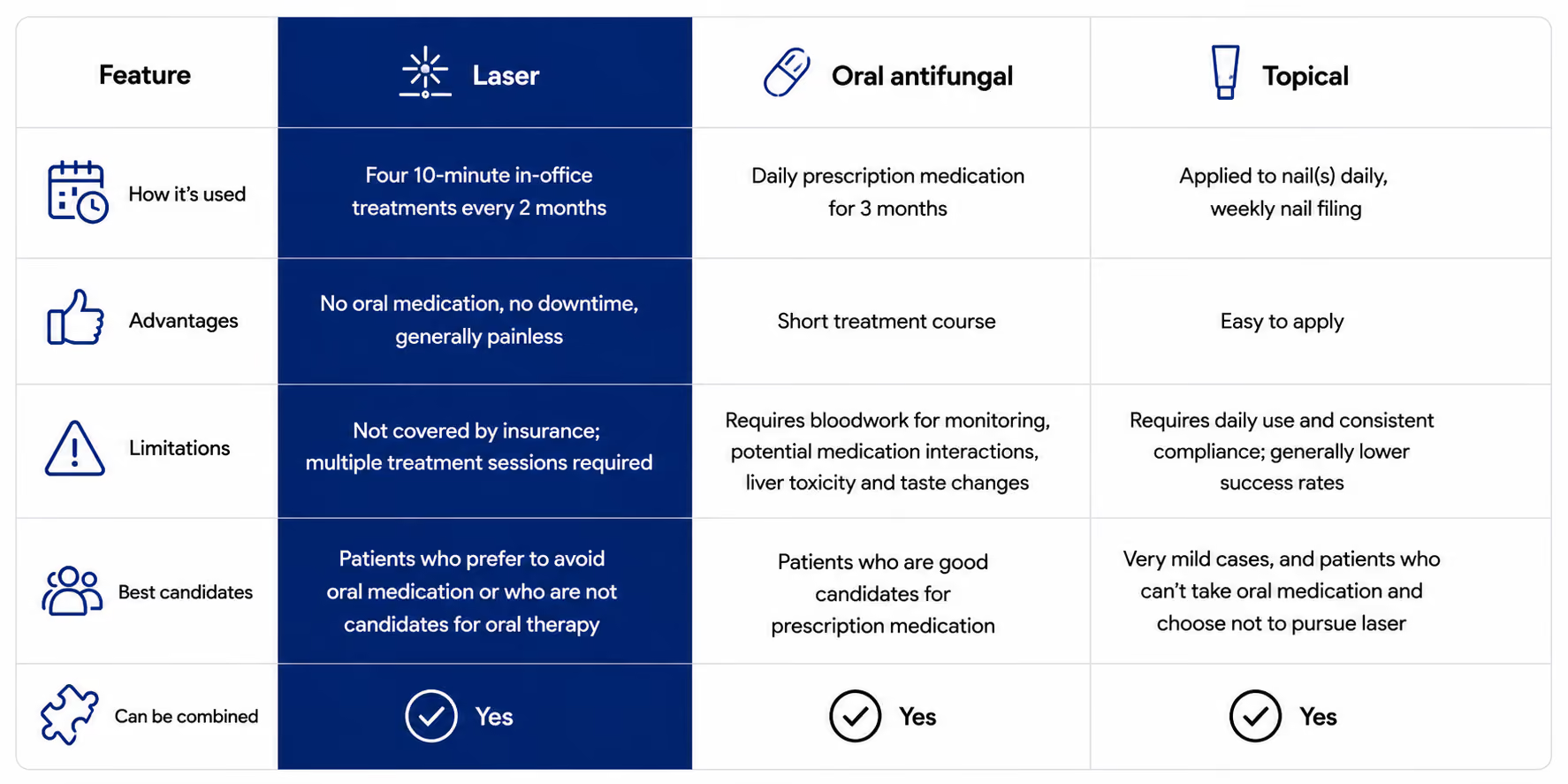
At Timonium Foot and Ankle Center, we evaluate your nails and recommend treatment based on the diagnosis and severity of the infection. Dr. Jordan R. Stewart, DPM has provided laser treatment for toenail fungus since 2011 and was among the earlier podiatrists in Maryland to incorporate this technology into clinical practice.
Our approach combines this experience with multiple treatment options, including laser therapy, prescription and topical antifungal medications, and combination therapy when appropriate.We don't recommend laser treatment simply because we offer it. We recommend it when we believe it is an appropriate option for you.
What is laser treatment for toenail fungus?
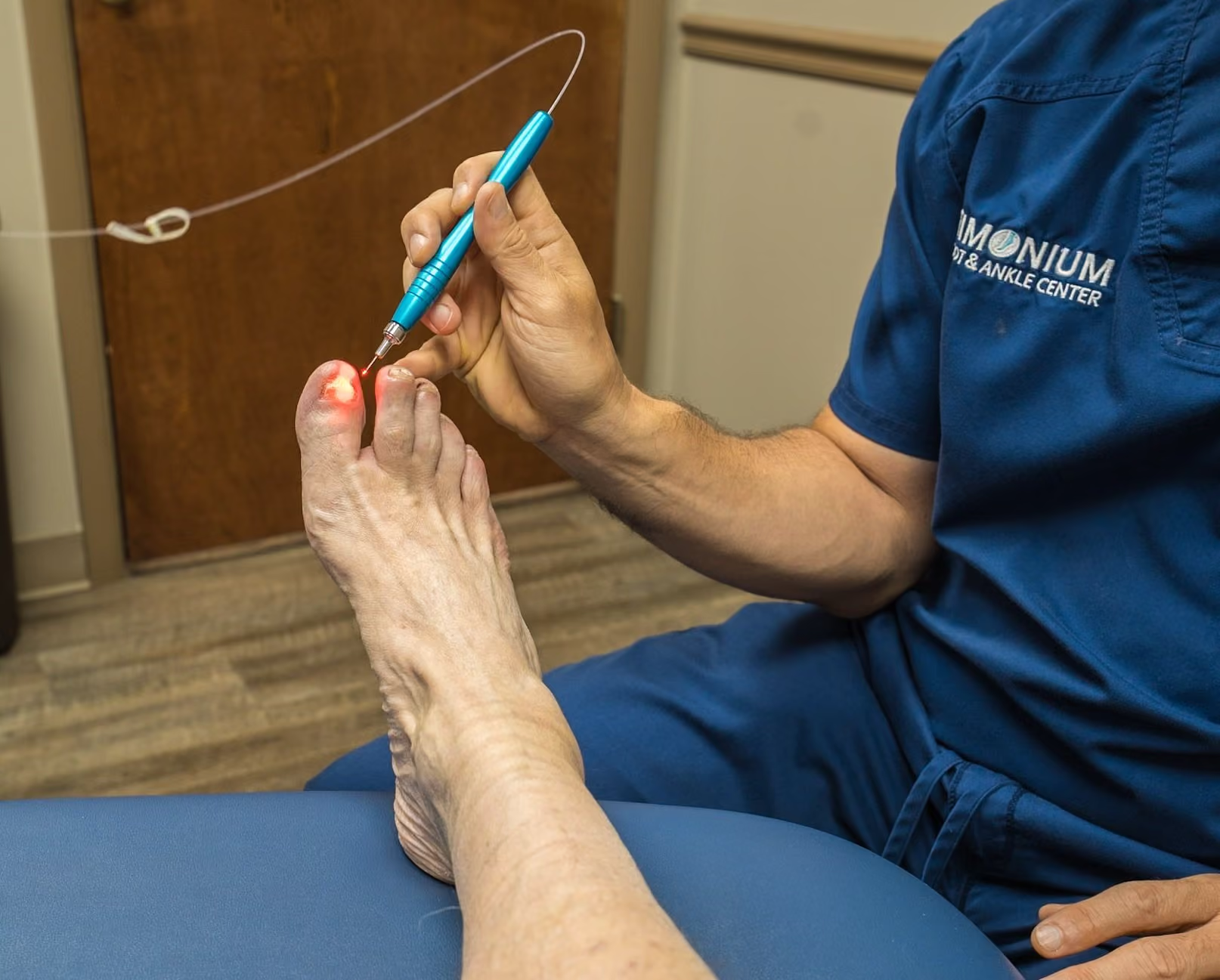
Laser treatment is a non-invasive, in-office procedure that uses focused light energy to treat fungal organisms beneath the nail. It requires no injections or anesthesia and no downtime, allowing most patients to return immediately to their normal daily activities.
Laser therapy may be used alone or combined with topical or oral antifungal medications, depending on the severity of the infection and the individual patient.
How does laser treatment work?
The laser delivers focused light energy through the nail plate to reach fungal organisms beneath the nail. The goal is to reduce the fungal burden so healthier nail can gradually replace the damaged nail as it grows out.
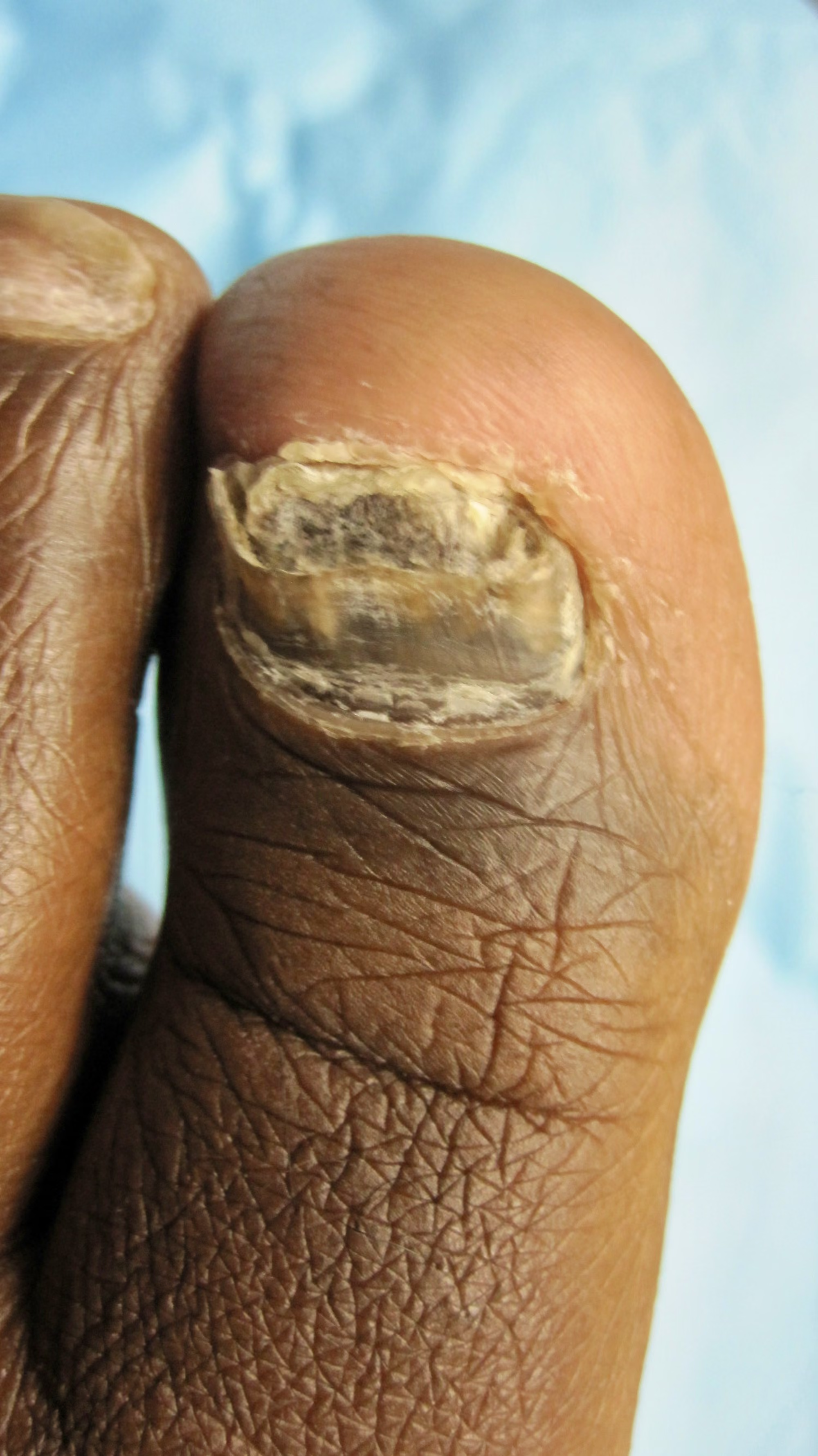
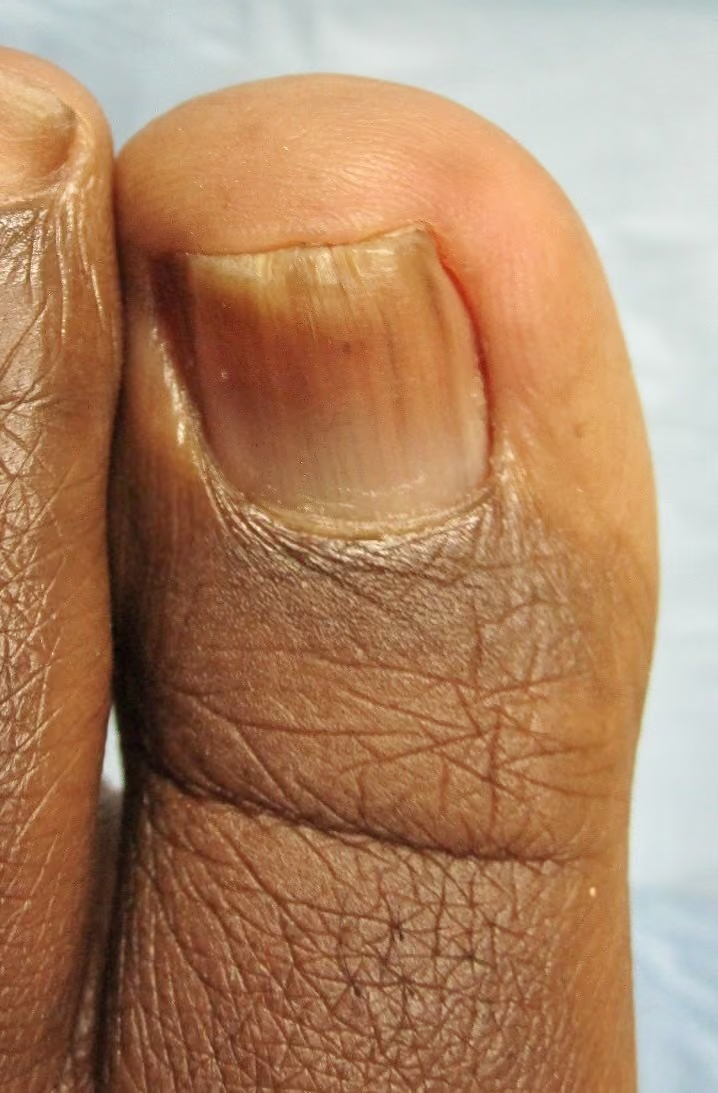
Because toenails grow slowly, visible improvement occurs gradually over several months.
Why choose laser treatment?
For carefully selected patients, laser treatment offers a non-invasive treatment option without systemic antifungal medication.
Unlike oral antifungal medications, laser treatment acts directly on the affected nails without exposing the entire body to medication. It may be particularly appropriate for patients who cannot take oral antifungals, are concerned about potential medication interactions or side effects, or prefer an office-based treatment without downtime. Laser therapy may also be combined with other treatments when appropriate.
What to expect during treatment?
Treatment is performed in our office and typically takes only a few minutes per foot. Most patients experience a mild warming sensation during the procedure and return immediately to their normal daily activities without restrictions.
Because toenails grow slowly, visible improvement occurs gradually as healthier nail replaces the damaged nail over time. Patients are treated a total of 4 times over the course of 6 months, with a 2-month interval between treatments.
During treatment, patients use topical antifungal treatment for the nails and skin, along with an antifungal shoe spray, to help address potential sources of reinfection.
What to expect after treatment?
Our doctors recommend lifelong antifungal treatment of the skin to help keep athlete’s foot (tinea pedis) under control, since fungus on the skin can serve as a reservoir for recurrent fungal nail infections.
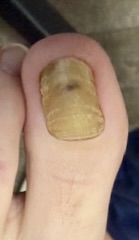
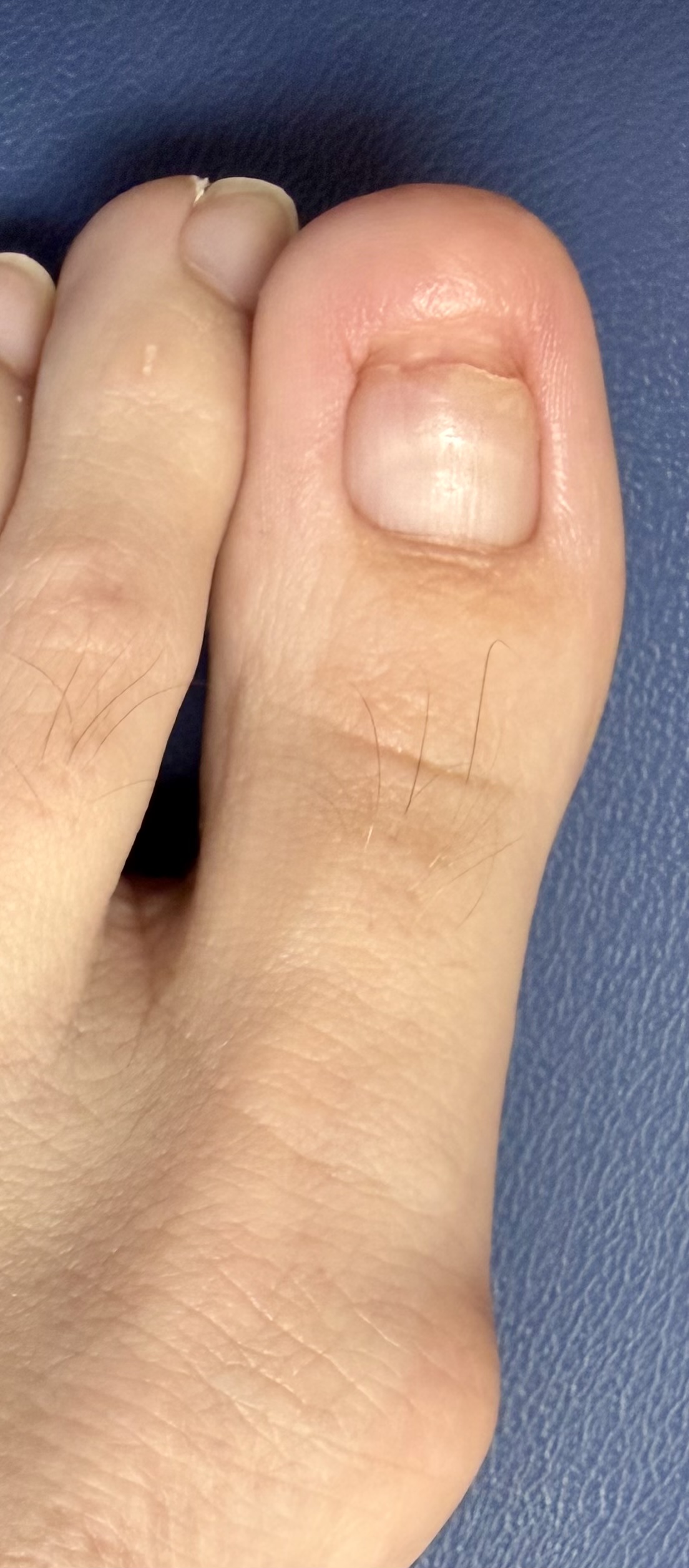
Comparing Treatment Options for Toenail Fungus