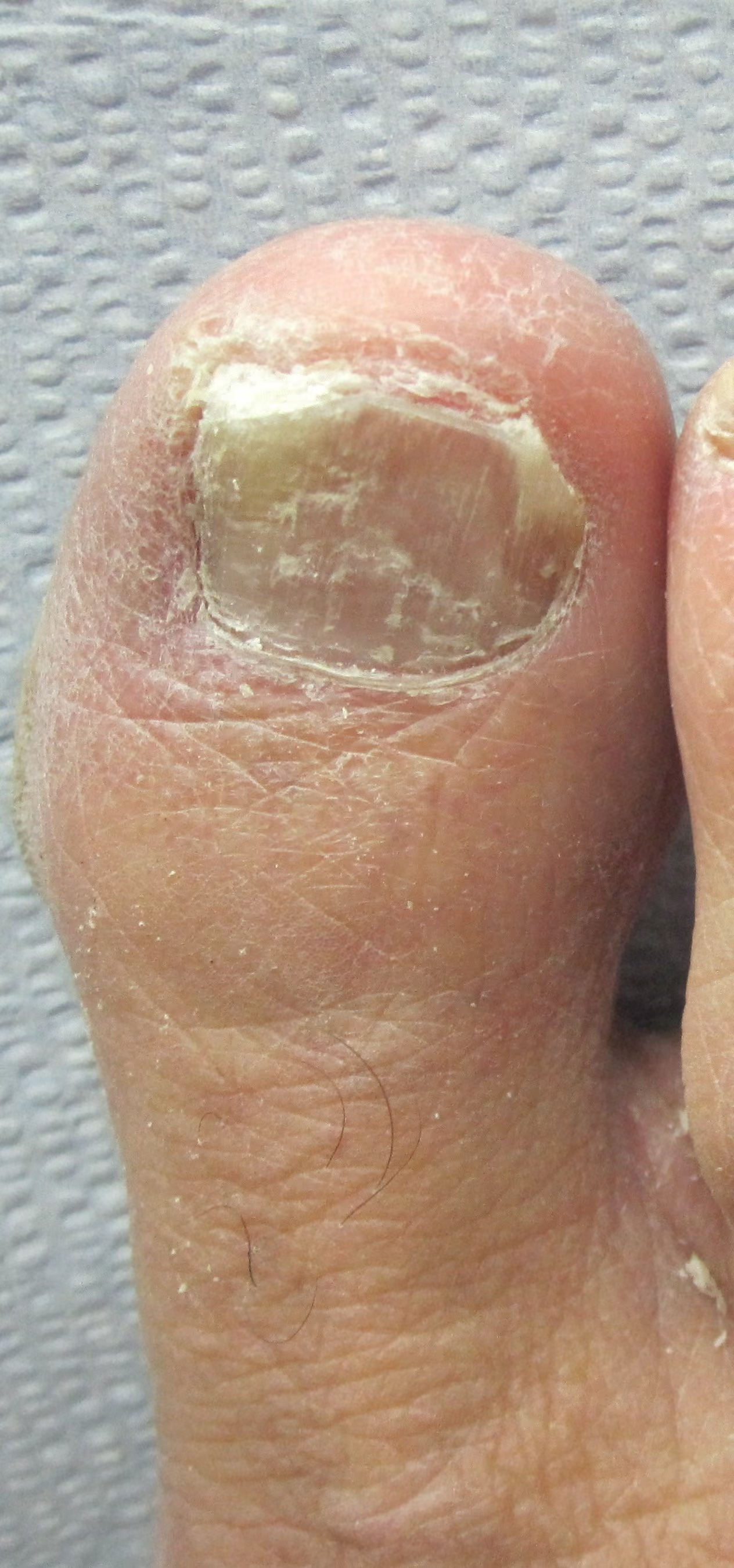


Toenail Fungus (Onychomycosis)
At Timonium Foot and Ankle Center, our doctors have extensive experience diagnosing and treating fungal toenail infections. Because several conditions can cause changes in the appearance of a toenail, treatment starts with determining whether fungus is actually present and evaluating the extent of the infection.
Toenail fungus can be treated in several ways depending on the severity of the infection and the individual patient. Treatment may include topical or oral antifungal medications, laser treatment, professional nail care, or a combination of treatments.
If you have thick, discolored, brittle, or abnormal-looking toenails, call our office or request an appointment online. We'll determine the cause of the nail changes and recommend a treatment plan based on your diagnosis and individual needs.
What is toenail fungus?
Toenail fungus, also known as onychomycosis, is a fungal infection of the toenail that can cause changes in the color, thickness, texture, and shape of the nail. The infection can involve one or multiple toenails and often progresses gradually over time.
Fungus can infect the nail plate, nail bed, and surrounding tissue, making toenail fungus more difficult to treat than a superficial fungal infection of the skin. Toenails also grow slowly, so even after the infection has been successfully treated, it can take many months for a healthier-looking nail to grow out.
Several different types of fungal nail infections can occur, including distal subungual, proximal subungual, and white superficial onychomycosis. Because trauma, psoriasis, and other nail disorders can resemble toenail fungus, confirming the diagnosis is important before beginning treatment.
What are the symptoms of toenail fungus?
Toenail fungus can affect the appearance, thickness, and comfort of the nail. Common symptoms include:
- Yellow or discolored nails: Infected toenails may become yellow, white, brown, or otherwise discolored.
- Thickened nails: Fungal infection can cause the nail plate to become progressively thicker.
- Misshapen or dystrophic nails: The nail may become irregular in shape or develop an abnormal appearance as the infection progresses.
- White or scaling areas: Portions of the nail may develop white discoloration, scaling, or a chalky appearance.
- Brittle or crumbling nails: Infected nails may become fragile and break, split, or crumble.
- Hard or difficult-to-trim nails: Thickened fungal nails can become extremely hard and difficult to safely cut.
- Painful nails: Increased nail thickness and pressure from shoes may cause discomfort or pain.
- Ingrown toenails: Thickening and changes in the shape of a fungal nail can contribute to painful ingrown nail borders.
- Signs of secondary infection: In some patients, infection of the surrounding skin or underlying nail bed may cause increasing redness, swelling, warmth, pain, drainage, odor, or bleeding and should be evaluated promptly.
How is toenail fungus diagnosed?
Toenail fungus is diagnosed through a clinical examination of the affected nails. Our doctors evaluate the color, thickness, texture, shape, and overall condition of the nail and surrounding skin.
Because several nail disorders can resemble a fungal infection, laboratory testing may be used to confirm the diagnosis before treatment. Testing may include a potassium hydroxide (KOH) examination, Periodic acid-Schiff (PAS) staining of a nail specimen, or fungal culture.
Confirming that fungus is actually present can help avoid unnecessary treatment and determine the most appropriate treatment approach.
How is toenail fungus treated?
Treatment depends on the severity and extent of the fungal infection, the number of nails involved, previous treatments, medical history, medications, and individual treatment goals. Because toenails grow slowly and fungal infections can recur, treatment often requires patience and a long-term approach.
At Timonium Foot and Ankle Center, treatment may include laser therapy, topical antifungal medication, oral antifungal medication, professional nail debridement, or a combination of treatments.
Treatment options for toenail fungus
- Laser treatment: Laser therapy uses energy directed through the nail plate to treat fungal infection within and beneath the toenail. Treatment is performed in the office without incisions or anesthesia and may be used alone or in combination with other antifungal treatments.
- Topical antifungal medication: Prescription or over-the-counter topical antifungal medications may be used to reduce fungal growth and help manage the infection. Because medication applied to the surface of the nail may have difficulty penetrating the entire nail plate, topical treatment is often used as part of a longer-term treatment and prevention strategy.
- Oral antifungal medication: Terbinafine (Lamisil) is an oral antifungal medication commonly used to treat toenail fungus and is typically taken for approximately three months when appropriate. Because terbinafine can interact with certain medications and may affect the liver, a patient's medical history and current medications are reviewed before treatment, and blood testing may be recommended when appropriate.
- Nail debridement: Thickened and painful fungal toenails can be professionally reduced in thickness and length to decrease pressure, improve comfort, and make the nails easier to manage. Patients with very thick or hard nails should use caution when attempting to trim them themselves because injury to the nail or surrounding skin can lead to additional problems.
- Long-term antifungal prevention: Even after successful treatment, toenail fungus can recur. Patients treated with laser or oral antifungal medication may be advised to continue a topical antifungal regimen to reduce fungal exposure and help decrease the risk of recurrence.