

Tinea Pedis (Athlete’s Foot)
At Timonium Foot and Ankle Center, our doctors have extensive experience diagnosing and treating tinea pedis. Because several skin conditions can resemble a fungal infection, treatment starts with determining whether fungus is actually present and identifying the type and extent of the infection.
Most cases of athlete’s foot can be successfully treated with topical antifungal care, and many patients improve with over-the-counter antifungal medications. More persistent or extensive infections may require prescription topical medications, oral antifungal medication, or additional treatments to control moisture and help prevent recurrence.
If you have persistent itching, burning, scaling, redness, or other changes to the skin of your feet, call our office or request an appointment online. We’ll determine what’s causing the problem and develop a treatment plan based on your diagnosis and individual needs.
What is tinea pedis (athlete’s foot)?
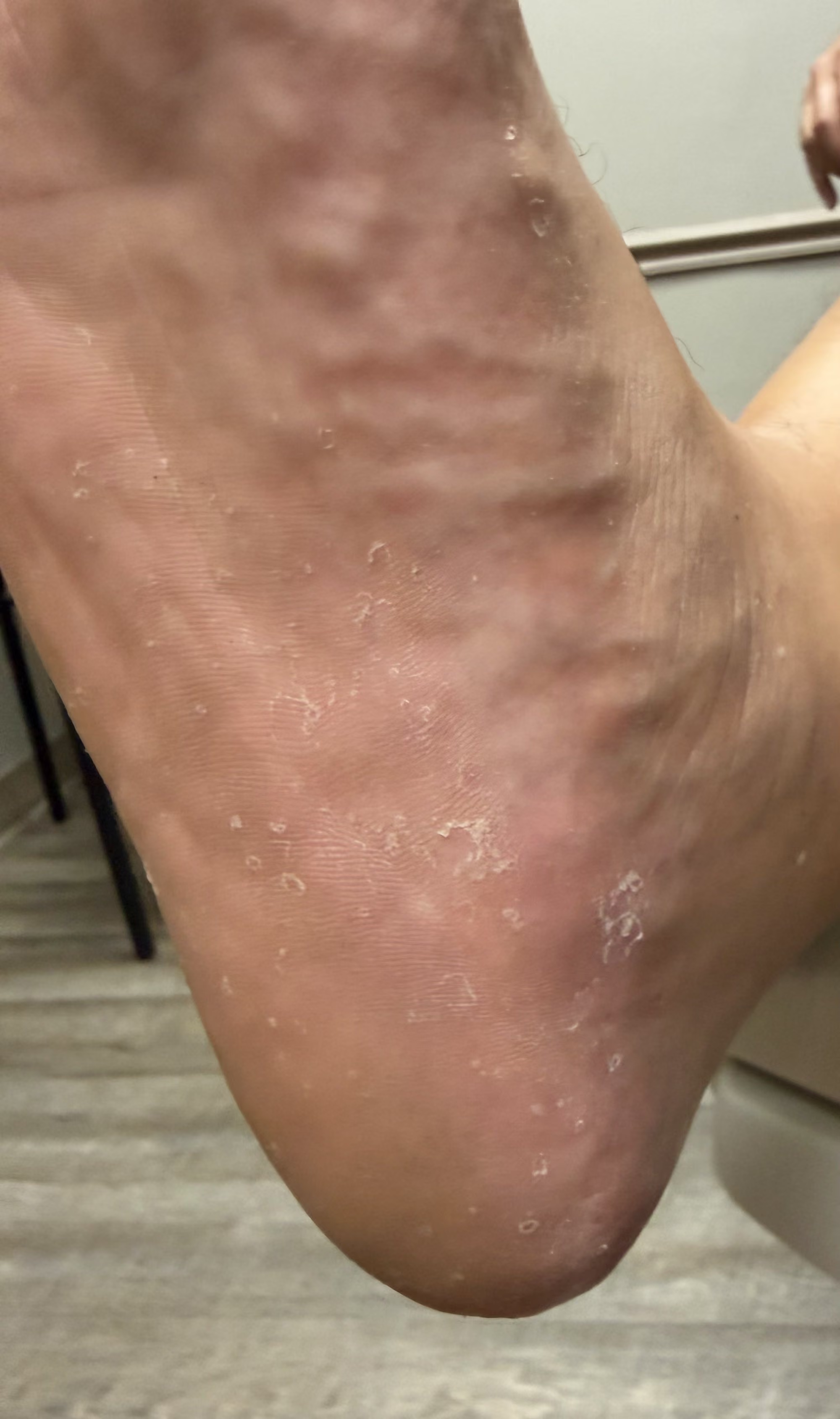
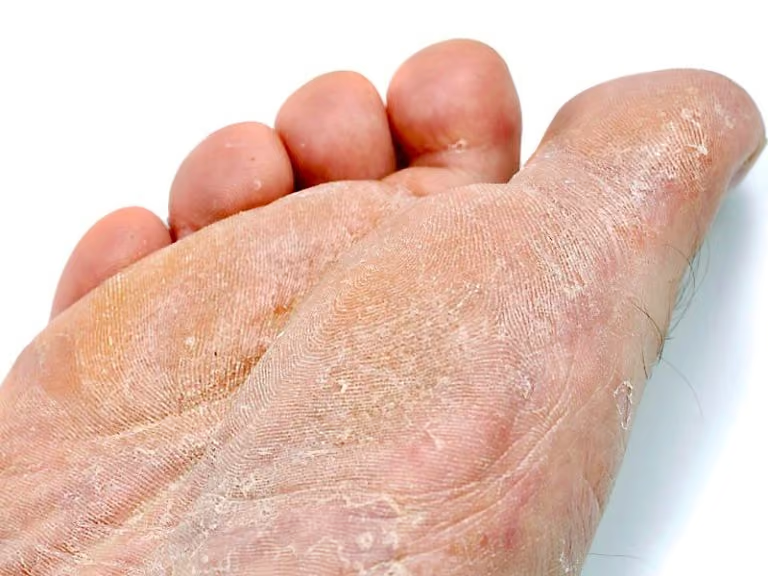
Tinea pedis, commonly known as athlete’s foot, is a fungal infection of the skin of the feet. It can affect the bottoms and sides of the feet as well as the skin between the toes. Depending on the type of infection, tinea pedis may cause dry, scaling skin, itching, burning, redness, blistering, or moist skin between the toes.
Athlete’s foot can spread from person to person and is commonly associated with warm, moist environments. Without appropriate treatment, the infection may persist, recur, spread to other areas of the foot, or contribute to fungal toenail infections.
What are the symptoms of tinea pedis?
Symptoms vary depending on the type and severity of the fungal infection and may include:
- Dry or scaling skin: The skin may become dry, flaky, peeling, or scaly.
- Itching: Persistent itching is common, particularly between the toes or along the bottom of the foot.
- Burning: The affected skin may feel irritated or have a burning sensation.
- Maceration: Excess moisture can cause the skin, particularly between the toes, to become soft, white, and macerated.
- Blistering: Some forms of tinea pedis can cause small fluid-filled blisters.
- Redness: Inflamed areas of skin may appear red or irritated.
- Raw or cracked skin: More advanced infections may cause painful cracks, erosions, or areas of raw skin.
How is tinea pedis diagnosed?
Tinea pedis is typically diagnosed through a comprehensive examination of the skin of the feet. Because eczema, contact dermatitis, psoriasis, and other skin conditions can sometimes resemble a fungal infection, confirming the correct diagnosis is important before treatment.
When needed, diagnostic testing may include a potassium hydroxide (KOH) examination, Periodic acid-Schiff (PAS) staining of a skin specimen, or fungal culture to confirm the presence of fungus.
How is tinea pedis treated?
Treatment depends on the type, severity, and extent of the fungal infection. Most cases can be successfully managed with antifungal medication combined with measures to reduce moisture and prevent reinfection.
Treatment options
- Topical antifungal medications: Prescription or over-the-counter antifungal medications may be used to eliminate the fungal infection.
- Moisture and perspiration control: Medicated powders, antiperspirants such as Drysol, and other treatments may be recommended to keep the feet dry. In selected patients with excessive sweating, Botox injections may be considered.
- Domeboro soaks: Astringent soaks may help dry excessively moist or blistering skin and can be particularly useful for vesicular, ulcerative, or interdigital tinea pedis.
- Oral antifungal medication: More extensive, persistent, or difficult-to-treat infections may require oral antifungal medication such as terbinafine or, in selected cases, griseofulvin.
- Foot hygiene: Washing and thoroughly drying the feet daily, especially between the toes, and changing socks regularly can help control moisture and reduce recurrence.
- Avoiding barefoot exposure: Wearing appropriate footwear in public showers, locker rooms, swimming pool areas, and similar environments can reduce exposure to fungus.
- Shoes and socks: Keeping footwear dry and rotating or replacing contaminated shoes and socks when appropriate may help reduce reinfection.