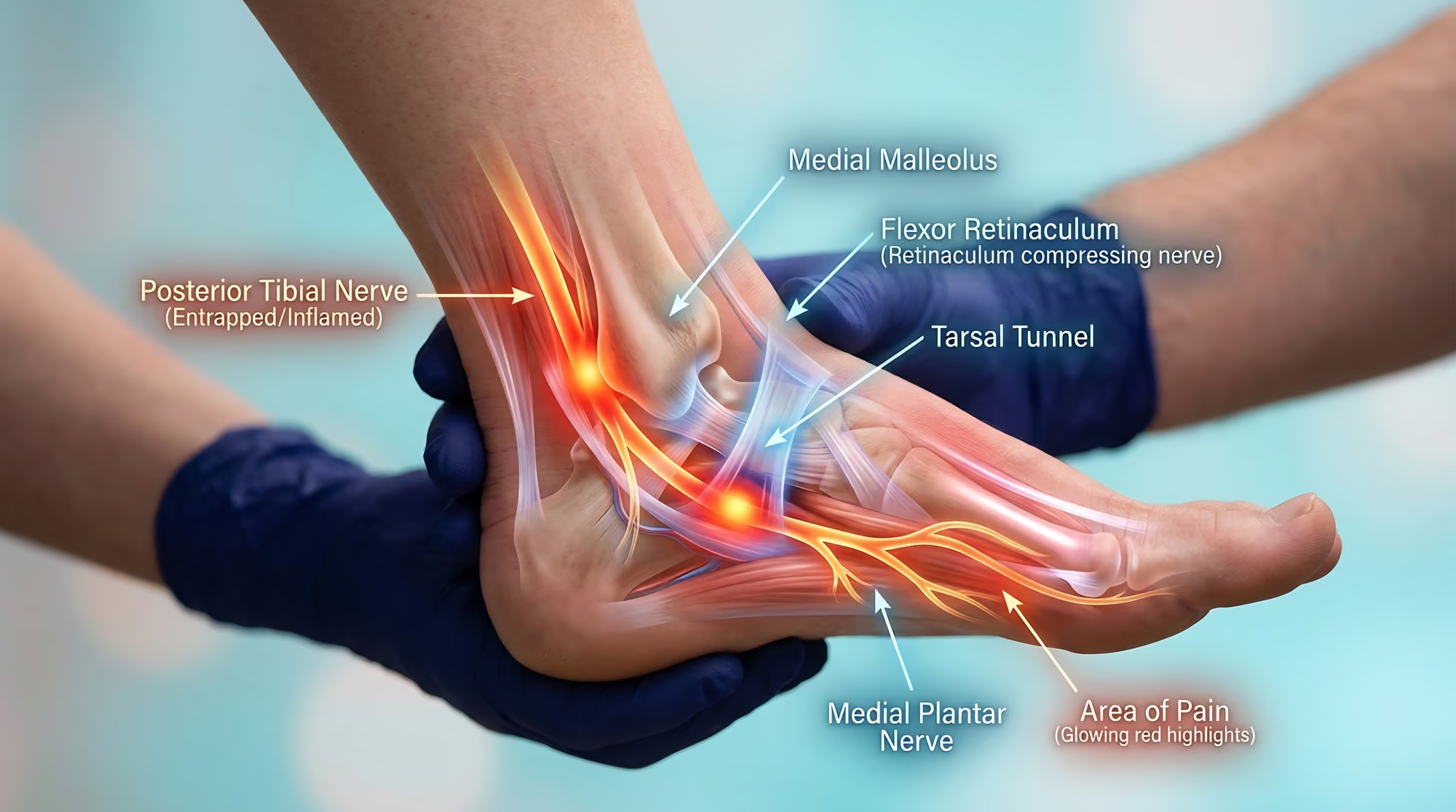


Tarsal Tunnel Syndrome
At Timonium Foot and Ankle Center, our doctors have extensive experience evaluating and treating nerve-related foot and ankle problems. Because burning, tingling, and numbness can result from several different conditions, treatment starts with determining whether the posterior tibial nerve is being compressed and identifying the underlying cause of your symptoms.
Many cases of tarsal tunnel syndrome can be treated without surgery. Treatment may include activity modification, supportive footwear, custom orthotics, bracing or immobilization, medications, injections, physical therapy, and other conservative treatments based on your individual needs.
If you're experiencing persistent burning, tingling, numbness, or pain in your ankle or foot, call our office or request an appointment online. We'll determine what's causing the problem and develop a treatment plan based on your diagnosis, activity level, and goals.
What is tarsal tunnel syndrome?
Tarsal tunnel syndrome is a condition caused by compression or irritation of the posterior tibial nerve as it travels through the tarsal tunnel along the inside of the ankle. The tarsal tunnel is a narrow space formed by bone and a strong ligament called the flexor retinaculum, through which the posterior tibial nerve, tendons, arteries, and veins travel into the foot.
Pressure on the posterior tibial nerve can develop for several reasons, including flatfoot deformity, posterior tibial tendon dysfunction, swelling, previous injury, enlarged veins, or a soft tissue mass within or around the tarsal tunnel. Because the posterior tibial nerve supplies sensation to much of the bottom of the foot, compression can cause pain, burning, tingling, numbness, or other nerve-related symptoms extending into the foot and toes.
What are the symptoms of tarsal tunnel syndrome?
Symptoms can vary depending on the severity and location of nerve compression.
- Pain: Pain may develop along the inside of the ankle or extend into the bottom of the foot.
- Burning, tingling, or numbness: Nerve symptoms may radiate along the bottom of the foot and into the toes and, in some patients, may extend upward into the leg.
- Foot cramping: Irritation of the posterior tibial nerve may be associated with cramping or abnormal sensations in the foot.
- Swelling: Swelling of the foot or ankle may occur and can contribute to increased pressure within the tarsal tunnel.
How is tarsal tunnel syndrome diagnosed?
Tarsal tunnel syndrome is diagnosed through a comprehensive foot and ankle examination. Our doctors evaluate the location and pattern of pain, burning, tingling, or numbness, areas of nerve tenderness, foot and ankle structure, strength, sensation, and possible underlying causes of nerve compression.
Weight-bearing X-rays may be obtained to evaluate the foot and ankle structure and identify abnormalities that may contribute to nerve compression. Additional testing, including electromyography (EMG) and nerve conduction studies, ultrasound, or MRI, may be recommended to evaluate nerve function or identify a soft tissue mass, enlarged veins, tendon abnormality, or other cause of compression.
Because several conditions can cause similar nerve symptoms in the foot, identifying the source of the symptoms and the underlying cause of nerve compression is important before beginning treatment.
How is tarsal tunnel syndrome treated?
Conservative treatment is generally the first approach for tarsal tunnel syndrome. Treatment is directed at reducing pressure and irritation around the posterior tibial nerve while also addressing any underlying condition contributing to the nerve compression. Many patients can be treated without surgery.
Conservative treatment options
- Immobilization and bracing: Depending on the severity of the condition, a walking boot, cast and crutches, hinged ankle-foot orthosis (AFO), or ankle brace may be used to reduce stress on the foot and ankle and allow irritated tissues to recover.
- Activity modification: Walking for exercise, jogging, running, and other activities that aggravate symptoms may need to be temporarily reduced or modified. Lower-impact activities such as swimming, bicycling, and appropriate strength training may be better tolerated.
- Treatment of underlying foot conditions: Flatfoot deformity, posterior tibial tendon dysfunction, and other structural or mechanical problems contributing to nerve compression should be addressed as part of the treatment plan.
- Custom foot orthotics: Prescription custom orthotics may improve foot mechanics, support the arch, and reduce stress on structures contributing to compression of the posterior tibial nerve.
- Supportive footwear: Properly fitted, supportive shoes can help stabilize the foot and reduce stress on the affected area. Barefoot walking and poorly supportive shoes may aggravate symptoms in some patients.
- Therapeutic laser: Therapeutic laser may be used as an adjunct to other treatments to help reduce pain and inflammation associated with the condition.
- Medications: Anti-inflammatory medications (NSAIDs), acetaminophen (Tylenol), oral steroids, or other medications may be recommended when appropriate to help manage symptoms.
- Ice and elevation: Ice and elevation may help reduce pain and swelling around the foot and ankle.
- Compression therapy: Prescription compression stockings may be recommended when swelling contributes to symptoms.
- Weight management: When appropriate, weight loss may help reduce stress on the foot and ankle and improve symptoms.
- Steroid injections: A corticosteroid injection may be considered in selected patients to help reduce inflammation and irritation around the affected nerve.
When is surgery considered for tarsal tunnel syndrome?
Surgery may be considered when persistent pain, burning, tingling, numbness, or other nerve symptoms do not improve with appropriate conservative treatment or when a specific structural problem is causing significant nerve compression. The procedure depends on the underlying cause of the tarsal tunnel syndrome.
Surgical treatment options
- Tarsal tunnel decompression: The flexor retinaculum, also known as the laciniate ligament, is surgically released to create more space within the tarsal tunnel and relieve pressure on the posterior tibial nerve and its branches.
- Removal of a soft tissue mass: A cyst, tumor, or other space-occupying lesion compressing the nerve may be surgically removed.
- Treatment of enlarged veins: Enlarged or abnormal veins contributing to compression within the tarsal tunnel may be surgically addressed when appropriate.
- Correction of an underlying deformity: In selected patients, an underlying structural problem contributing to nerve compression may also need to be surgically corrected.