


Flat Feet
At Timonium Foot and Ankle Center, our doctors have extensive experience evaluating and treating flat feet in children and adults. Because there are different types and causes of flatfoot deformity, treatment starts with determining your foot structure, mechanics, and the underlying cause of your symptoms.
Many painful flatfoot conditions can be managed without surgery. Treatment may include supportive footwear, custom orthotics, physical therapy, bracing, activity modification, or other conservative treatments based on your individual needs.
If flat feet are causing pain or limiting your activities, call our office or request an appointment online. We’ll determine what’s causing the problem and develop a treatment plan based on your diagnosis, activity level, and goals.
What are flat feet?
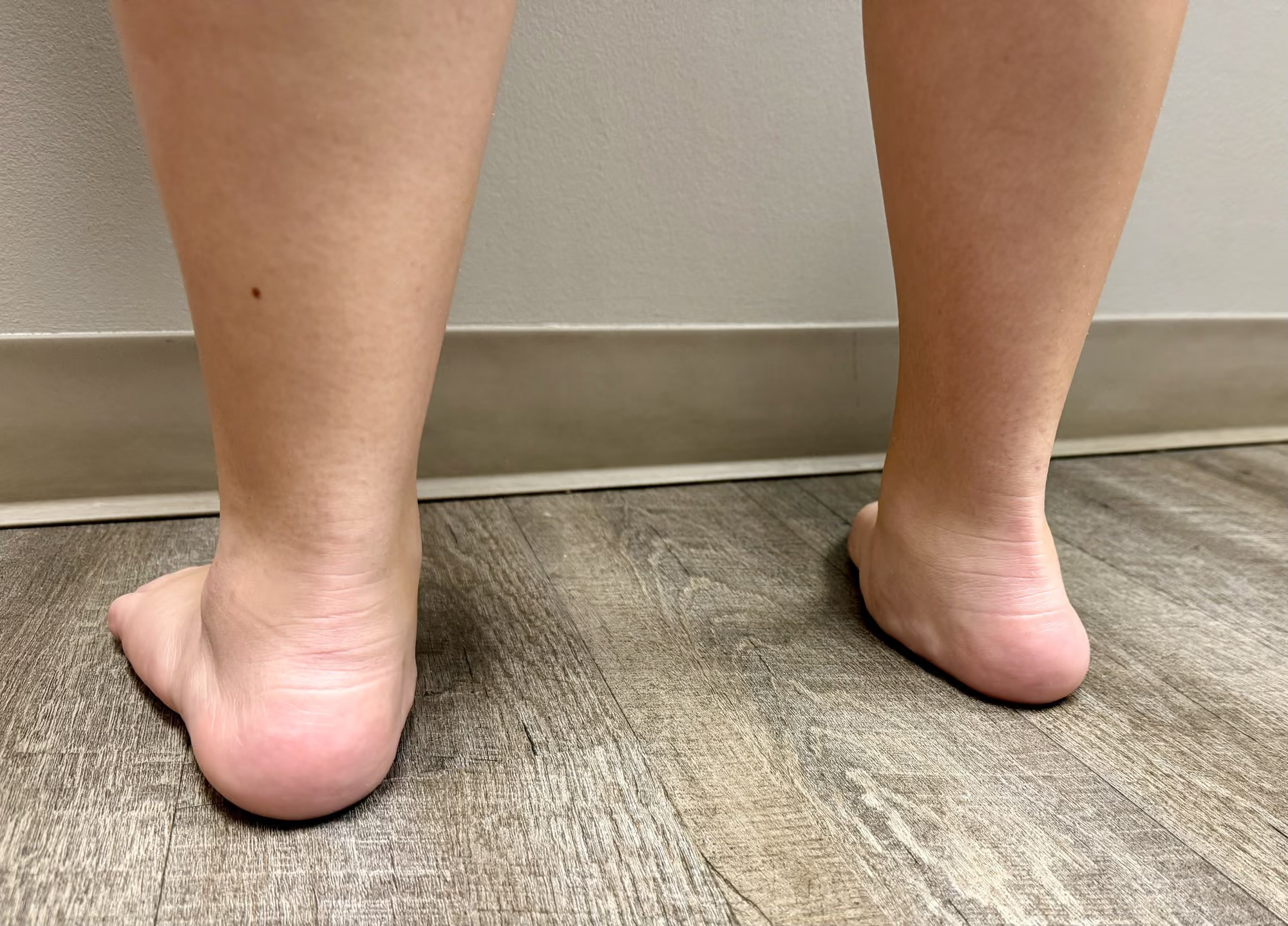
Flat feet, also known as pes planus, occur when the arch of the foot lowers or collapses when standing, causing more of the bottom of the foot to contact the ground. Flat feet can be flexible or rigid and may be present from childhood or develop later in life. Some people with flat feet have no symptoms, while others develop foot or ankle pain, fatigue, changes in walking, or difficulty with activity.
What are the symtoms of flat feet?
In many cases, flat feet do not cause pain or other symptoms. When symptoms occur, they can range from fatigue or aching in the feet and arches to more significant pain, deformity, and limitations with activity. Symptoms are often more noticeable with prolonged standing, walking, running, or exercise and may involve the arch, heel, or ankle. In some patients, changes in foot mechanics associated with flat feet can also contribute to discomfort in the legs, knees, hips, or lower back.
How are flat feet diagnosed?
Flat feet are diagnosed through a comprehensive foot and ankle examination by our doctors. We evaluate the arch, foot and ankle alignment, range of motion, strength, and areas of pain or tenderness. We examine the feet while sitting and standing, ask you to rise onto your toes, and evaluate the way you walk. Weight-bearing X-rays may be taken to assess the alignment of the bones and joints and determine the severity of the flatfoot deformity. In some cases, additional imaging may be recommended.
How are flat feet treated?
Treatment for flat feet depends on the type and severity of the flatfoot deformity, the patient's symptoms, foot and ankle mechanics, activity level, and the underlying cause. Flexible flat feet that are not painful may not require treatment.
When pain or functional problems are present, treatment usually begins with conservative care. More rigid, painful, or progressive flatfoot deformities may require additional treatment based on the underlying cause and severity of the condition.
Conservative treatment options
- Stretching and strengthening: A targeted stretching and strengthening program can help reduce pain and improve foot and ankle function. Stretching often focuses on the calf muscles, particularly the gastrocnemius, while strengthening may focus on the posterior tibial tendon and other muscles that support the arch.
- Physical therapy: Physical therapy may be recommended when additional stretching, strengthening, balance training, or functional rehabilitation is needed.
- Supportive footwear: Supportive shoes can help stabilize the foot and reduce stress on the arch. Barefoot walking and poorly supportive shoes should generally be avoided when they aggravate symptoms.
- Custom orthotics: Prescription custom orthotics can support the arch, improve foot alignment and mechanics, and reduce stress on painful areas of the foot.
- Therapeutic laser: Laser therapy may be used as an adjunct to other treatments to help reduce pain and inflammation associated with painful flatfoot conditions.
- Ice and medication: Ice and nonsteroidal anti-inflammatory drugs (NSAIDs) may be recommended when appropriate to help manage pain and inflammation.
- Bracing, AFOs, and immobilization: For more painful or advanced flatfoot deformities, an ankle brace, custom ankle-foot orthosis (AFO), walking boot, or cast may be recommended to provide support and stability, reduce stress on painful structures, and allow the foot and ankle to recover.
- Weight management: When appropriate, weight loss may help reduce stress on the feet and improve symptoms associated with painful flat feet.
When is surgery considered for flat feet?
In more advanced cases of flatfoot deformity that remain painful or continue to limit activity despite appropriate conservative treatment, surgery may be considered. The specific procedure depends on the type and severity of the deformity, the structures involved, and the individual patient's needs.
The goal of surgery is to reduce pain, improve alignment and function, and create a more stable foot for standing and walking. Depending on the condition, surgery may involve a combination of soft tissue and bone procedures to correct the underlying deformity.
At-home exercise: Heel Rises
Heel rises strengthen the calf and the posterior tibial tendon that supports your arch. Dr. Stewart describes how to these exercises safely at home.
Exercises are general guidance. Follow the plan you were given at your visit and stop if you feel sharp pain.
At-home exercise: Ankle Range of Motion
Ankle range of motion exercises improve strength in the foot and ankle. Follow along with Dr. Stewart's guidance.