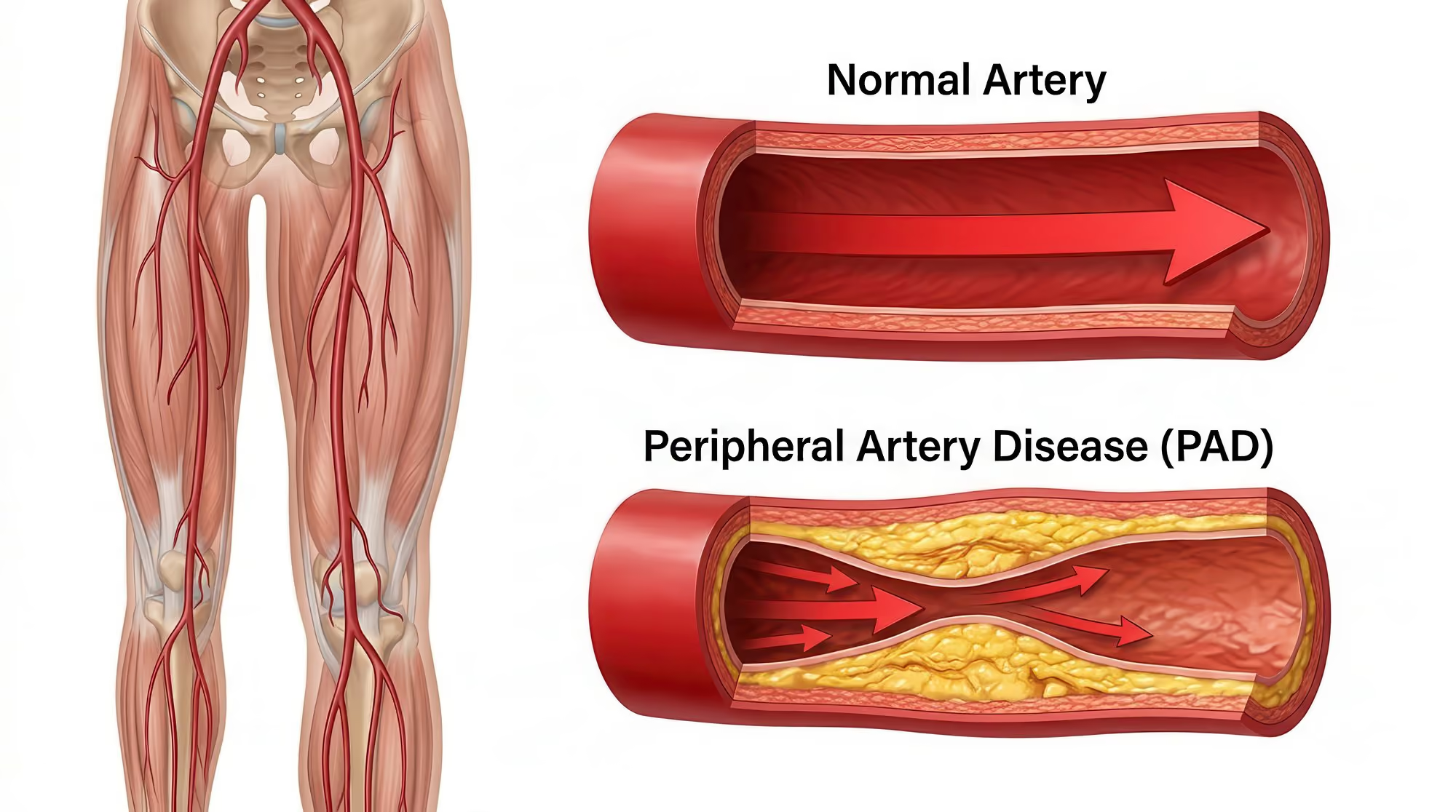


Peripheral Arterial Disease – PAD
At Timonium Foot and Ankle Center, our doctors evaluate the circulation to the feet as part of a comprehensive foot examination and are often among the first doctors to identify signs of peripheral arterial disease. Because PAD is associated with coronary artery disease and cerebrovascular disease, early recognition and appropriate medical evaluation are important.
Treatment depends on the severity of the disease and may include management of cardiovascular risk factors, a walking program, smoking cessation, medications, and routine podiatric foot care. When significant arterial disease is identified, our doctors coordinate care with a vascular specialist for additional testing and treatment.
If you have leg pain with walking, a wound that is slow to heal, changes in the color or temperature of your foot, or concerns about your circulation, call our office or request an appointment online. We’ll evaluate your feet and circulation and determine whether additional vascular evaluation is needed.
What is peripheral arterial disease (PAD)?
Peripheral arterial disease (PAD) is a circulatory condition in which narrowed or blocked arteries reduce blood flow to the legs and feet. PAD most commonly develops from atherosclerosis, a buildup of plaque within the arteries.
Reduced blood flow can cause leg pain with walking, slow or prevent wounds from healing, and increase the risk of infection and tissue loss. In advanced cases, severely reduced circulation can threaten the foot or limb.
Podiatrists are often among the first doctors to identify signs of peripheral arterial disease because changes in circulation may be detected during a comprehensive foot examination. PAD is also associated with coronary artery disease and cerebrovascular disease, making early recognition and appropriate medical evaluation especially important.
What are the symptoms of peripheral arterial disease?
Symptoms vary depending on the location and severity of the arterial disease and may include:
- Cramping with walking: Pain or cramping in the calf or other parts of the leg that develops with walking and improves with rest is known as intermittent claudication.
- Non-healing or slow-healing wounds: Reduced blood flow can make cuts, sores, and foot ulcers difficult to heal.
- Rest pain: In more advanced PAD, pain may occur even when you are not walking, particularly in the foot. Some patients notice improvement when the leg is placed in a dependent position.
- Skin and temperature changes: The foot or toes may become cool, pale, discolored, or develop other changes related to reduced circulation.
- Gangrene: Severe loss of blood flow can result in tissue death, known as gangrene, and requires urgent medical attention.
What is Raynaud’s phenomenon?
Raynaud’s phenomenon is a circulatory condition in which the small blood vessels in the toes or fingers temporarily narrow or constrict, usually in response to cold temperatures or emotional stress. This temporarily reduces blood flow to the affected areas.
During an episode, the toes may become white, blue, purple, or red and may feel cold, numb, tingling, or painful. Symptoms typically improve as circulation returns and the affected area becomes warm again.
Raynaud’s phenomenon is different from peripheral arterial disease. PAD typically results from narrowing or blockage of the arteries, while Raynaud’s involves temporary spasms of the small blood vessels. Because both conditions can cause cold feet, discoloration, and other circulation-related symptoms, an accurate diagnosis is important.
General care for Raynaud’s phenomenon
For many patients, treatment focuses on reducing exposure to triggers and protecting the feet from cold temperatures.
- Keep the feet warm: Wear warm socks and appropriate footwear, particularly during cold weather.
- Avoid sudden temperature changes: Rapid exposure to cold can trigger an episode. Keeping the entire body warm, not just the feet, may help reduce symptoms.
- Avoid direct heat: Do not place cold or numb toes directly against heating pads, space heaters, or very hot water because decreased sensation can increase the risk of burns.
- Exercise regularly: Regular physical activity can support overall cardiovascular health and circulation when medically appropriate.
- Avoid smoking and nicotine: Nicotine constricts blood vessels and can worsen Raynaud’s symptoms.
- Review contributing medications: Certain medications can contribute to blood vessel constriction. Patients with significant symptoms should discuss their medications with the prescribing physician rather than stopping them on their own.
- Medications when needed: Patients with frequent or significant symptoms may be prescribed medications that dilate blood vessels and improve circulation. These medications are typically managed by the patient's primary care physician or an appropriate medical specialist.
- Protect and inspect the skin: Regularly check the toes for cracks, wounds, persistent discoloration, or other skin changes.
Most episodes of Raynaud’s do not cause permanent tissue damage. However, persistent discoloration, an open wound, severe or increasing pain, or evidence of tissue damage should be evaluated promptly.
How is peripheral arterial disease diagnosed?
Diagnosis begins with a comprehensive foot and ankle examination. Our doctors evaluate circulation to the feet by checking pulses, skin color and temperature, and looking for wounds or other signs of decreased blood flow.
When peripheral arterial disease is suspected, patients are typically referred to a vascular specialist for further evaluation and treatment. Non-invasive vascular testing, such as an ankle-brachial index (ABI), arterial Doppler ultrasound, or other vascular studies, may be used to determine the location and severity of the disease.
Because symptoms such as cold feet, discoloration, leg pain, and non-healing wounds can have several causes, determining whether the problem is related to PAD, Raynaud’s phenomenon, neuropathy, or another condition is important before treatment.
How is peripheral arterial disease treated?
The severity of peripheral arterial disease, the patient's symptoms, and the amount of blood flow to the legs and feet determine treatment. Both conservative and surgical treatment options are available.
When PAD is identified or suspected, our doctors work with the appropriate vascular specialist, who determines whether additional vascular treatment or intervention is necessary.
Conservative treatment options
- Routine podiatric foot care: Regular foot examinations and appropriate professional care of toenails, corns, calluses, and other foot problems can help reduce the risk of wounds, infections, and other complications, particularly in patients with poor circulation.
- Foot protection: Properly fitted shoes, daily inspection of the feet, and avoiding barefoot walking can help prevent injuries that may be difficult to heal in patients with decreased circulation.
- Walking and exercise program: A structured walking program may help improve walking tolerance and promote collateral circulation in appropriate patients.
- Weight management: Maintaining a healthy weight can help reduce cardiovascular risk and improve overall health.
- Smoking cessation: Smoking is a major risk factor for PAD and can accelerate progression of the disease. Smoking cessation is strongly recommended.
- Medications: Medications may include cholesterol-lowering medications, antiplatelet medications, and other medications prescribed to manage PAD and associated cardiovascular risk factors.
- Management of underlying medical conditions: Proper management of high blood pressure, high cholesterol, and diabetes is an important part of reducing the progression and complications of PAD.
When is vascular intervention considered for peripheral arterial disease?
Vascular intervention may be considered when PAD is more advanced, symptoms significantly limit activity, blood flow is insufficient to heal a wound, or the circulation is inadequate to maintain healthy tissue.
The goal of treatment is to improve arterial blood flow, promote wound healing, relieve symptoms, preserve tissue, and reduce the risk of lower-extremity amputation. The appropriate procedure is determined by the vascular specialist.
Surgical and endovascular treatment options
- Endovascular procedures: Minimally invasive procedures may include balloon angioplasty, stent placement, atherectomy, and other techniques designed to improve blood flow through narrowed or blocked arteries.
- Lower-extremity bypass surgery: Open vascular bypass surgery may be performed to reroute blood around a severely narrowed or blocked artery and restore blood flow to the lower extremity.
- Amputation: In severe cases involving irreversible tissue loss, gangrene, or infection when adequate blood flow cannot be restored or the limb cannot be salvaged, amputation may be necessary. Depending on the extent and location of the disease, this may include a toe, partial foot, below-the-knee, or above-the-knee amputation.