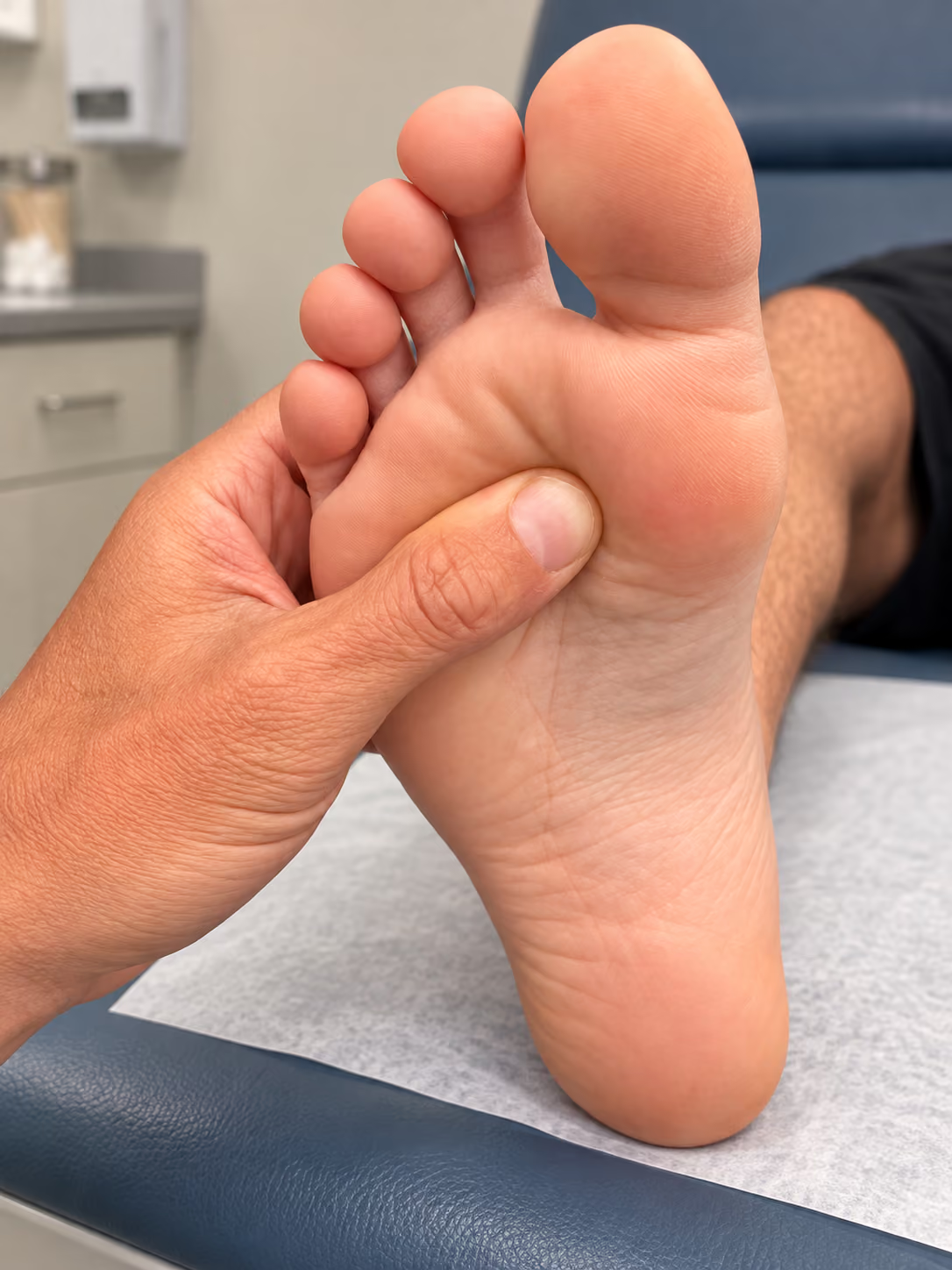


Ball of Foot Pain (Metatarsalgia)
At Timonium Foot and Ankle Center, our doctors have extensive experience diagnosing and treating metatarsalgia and the conditions that can contribute to pain in the ball of the foot. Metatarsalgia can develop from abnormal pressure, foot structure and mechanics, joint problems, fat pad changes, and other conditions, treatment begins with determining what is contributing to your pain.
If ball of foot pain is making it difficult to walk, exercise, or wear shoes comfortably, call our office or request an appointment online. We’ll determine the cause and develop a treatment plan based on your diagnosis and individual needs.
What is metatarsalgia?
Metatarsalgia is a condition that causes pain and inflammation in the ball of the foot, most commonly beneath the metatarsal heads near the base of the toes. It often develops when excessive or uneven pressure is placed across the forefoot.
Foot structure, abnormal biomechanics, activity level, footwear, and other foot conditions can contribute to metatarsalgia. Because several different problems can cause pain in the ball of the foot, an accurate diagnosis is important to determine the underlying cause and appropriate treatment.
What are the symptoms of metatarsalgia?
Symptoms of metatarsalgia are typically felt in the ball of the foot and may become worse with standing, walking, running, or other activities that place pressure on the forefoot.
- Pain or tenderness beneath the ball of the foot, commonly beneath the second or third metatarsal heads but potentially beneath any of the metatarsal heads or joints at the base of the toes
- Aching, burning, or sharp pain with walking or pressure on the forefoot
- Swelling across the ball of the foot or into the toes
- Numbness or tingling in the forefoot or toes
- Pain or stiffness in the joints at the base of the toes
- A feeling of increased pressure or discomfort when walking barefoot or on hard surfaces
- Difficulty walking, exercising, or participating in other physical activities
How is metatarsalgia diagnosed?
Metatarsalgia is diagnosed through a comprehensive foot and ankle examination. Our doctors evaluate the location of your pain, areas of tenderness or swelling, joint motion, foot structure and mechanics, and the way you stand and walk. Weight-bearing X-rays may be taken to evaluate the alignment and length of the metatarsal bones, the joints of the forefoot, and other conditions that may be contributing to your pain. In some cases, MRI or other imaging may be recommended to evaluate for a neuroma, joint injury, stress injury, or another cause of ball of foot pain.
Metatarsalgia can develop when pressure is transferred unevenly across the forefoot. For example, hallux limitus can restrict motion of the big toe joint and shift increased pressure beneath the second and third metatarsal heads. A relatively short first metatarsal or other differences in foot structure and mechanics can also increase pressure beneath the lesser metatarsals and contribute to pain.
How is metatarsalgia treated?
Treatment for metatarsalgia depends on the underlying cause, the location and severity of the pain, foot structure and mechanics, activity level, and other conditions affecting the forefoot. Treatment usually begins with conservative care designed to reduce pressure beneath the painful metatarsal heads and address the factors contributing to the problem.
Many patients improve without surgery. More significant pain or conditions such as a stress injury may require a period of greater activity restriction or immobilization.
Conservative treatment options
- Activity modification: Temporarily reducing activities that aggravate ball of foot pain, particularly running, jumping, and other repetitive impact activities. Lower-impact activities such as biking, swimming, and seated strength training can help you remain active while reducing pressure on the forefoot.
- Immobilization: A walking boot may be recommended when pain is more significant or when additional protection and offloading of the forefoot are needed.
- Custom orthotics: Prescription custom orthotics can redistribute pressure away from painful metatarsal heads, improve foot mechanics, and address structural factors contributing to metatarsalgia.
- Metatarsal padding: Metatarsal pads or other forms of offloading can help redistribute pressure away from painful areas of the ball of the foot.
- Dermal Fillers: Dermal fillers can be injected in the foot under local anesthesia to add cushioning to the ball of the foot without the need for surgery.
- Supportive footwear: Supportive shoes with adequate cushioning and a stable or stiffer sole can help reduce pressure and motion across the painful forefoot. Barefoot walking and poorly supportive shoes should generally be avoided when they aggravate symptoms.
- Stretching: Calf and lower-extremity stretching may be recommended when tightness contributes to increased pressure across the forefoot.
- Therapeutic laser: Laser therapy may be used as an adjunct to other treatments to help reduce pain and inflammation.
- Ice and medication: Ice and medications such as nonsteroidal anti-inflammatory drugs (NSAIDs), acetaminophen, or oral corticosteroids may be considered when appropriate to help manage pain and inflammation.
- Compression: Compression therapy may be recommended when swelling of the foot or forefoot is present.
- Weight management: When appropriate, weight loss may help reduce pressure on the forefoot and improve symptoms.
When is surgery considered for metatarsalgia?
Surgery may be considered when metatarsalgia continues to cause significant pain or functional limitations despite appropriate conservative treatment. Because metatarsalgia can result from different structural and biomechanical problems, the appropriate procedure depends on the underlying cause.
The goal of surgery is to correct the condition contributing to excessive pressure beneath the metatarsal heads, redistribute weight across the forefoot, and reduce pain.
Surgical treatment options
- Metatarsal osteotomy: Surgical cutting and repositioning or shortening of a metatarsal to redistribute pressure across the forefoot.
- Metatarsal head resection: Removal of part or all of a prominent or severely damaged metatarsal head in selected cases.
- Gastrocnemius recession: Lengthening of the gastrocnemius muscle may be considered when calf tightness contributes to excessive forefoot pressure.
- Correction of associated deformities: Conditions contributing to metatarsalgia, such as hammertoes, hallux limitus, or other structural deformities, may be surgically corrected when appropriate.