

Neuromas
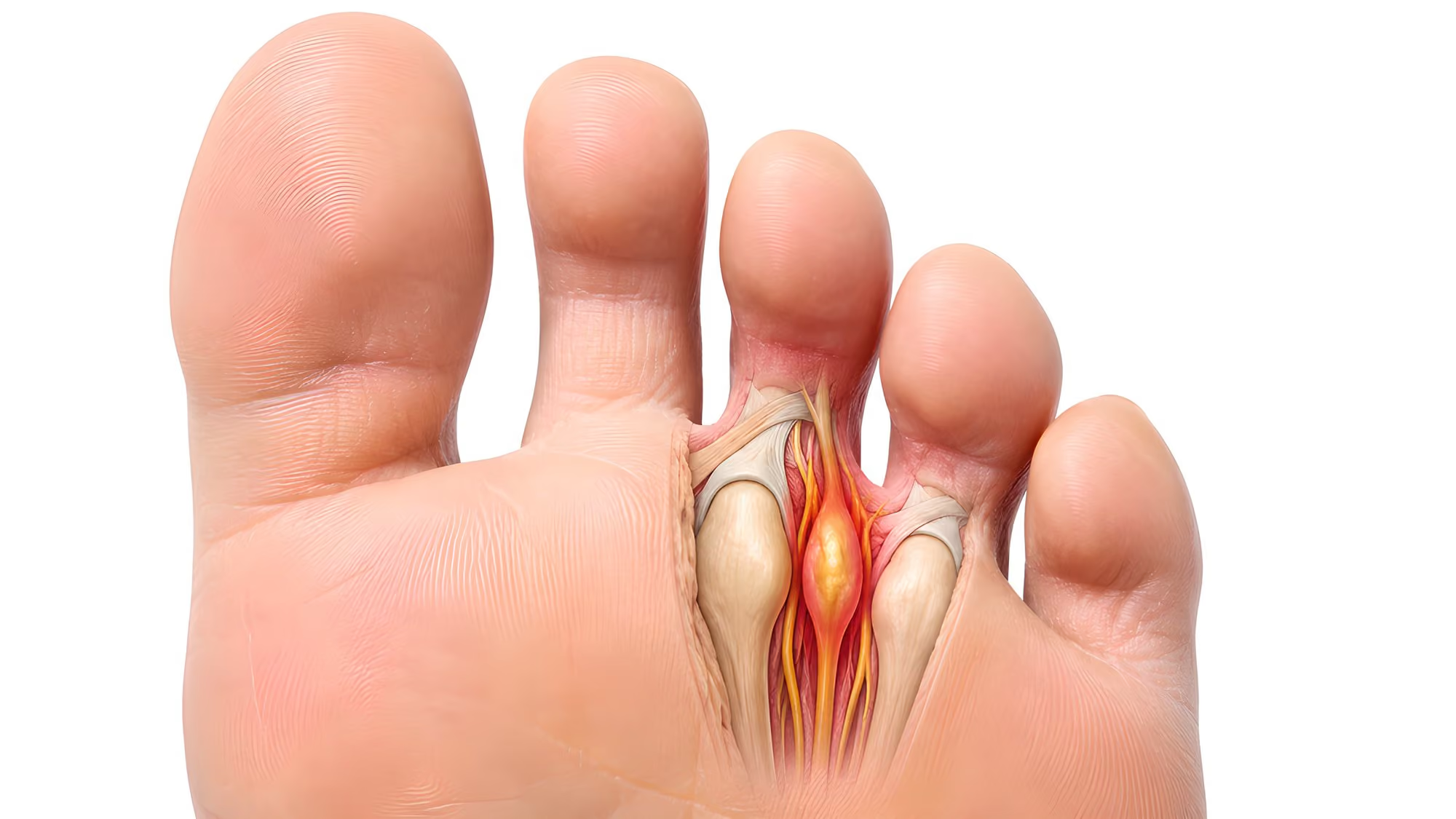
Morton’s neuroma is the most common type of foot neuroma and develops between the third and fourth toes. However, neuromas can occur in other areas of the forefoot and can cause similar symptoms.
At Timonium Foot and Ankle Center, our doctors diagnose and treat Morton’s neuroma and other causes of nerve-related forefoot pain. Because several conditions can cause similar symptoms, treatment begins with determining exactly what is causing your pain.
If pain, burning, numbness, or tingling in the ball of your foot is interfering with walking, exercise, or wearing shoes comfortably, call our office or request an appointment online. We’ll determine the cause and develop a treatment plan based on your diagnosis and individual needs.
What is a neuroma?
A neuroma is a painful condition that develops when a nerve becomes irritated, compressed, and thickened. In the foot, neuromas most commonly develop between the metatarsal bones in the ball of the foot, where the nerve can become compressed between the metatarsal heads and surrounding structures.
Morton’s neuroma is the most common type of foot neuroma and typically occurs between the third and fourth toes, although neuromas can develop in other intermetatarsal spaces. Symptoms may include sharp or burning pain in the ball of the foot, numbness or tingling, and pain that radiates into the toes.
A stump neuroma can develop after a nerve has previously been surgically removed or divided. The remaining end of the nerve may become irritated and develop painful nerve tissue, producing symptoms similar to the original neuroma.
What are the symptoms of a neuroma?
- Pain in the ball of the foot at the location of the neuroma
- Burning, tingling, or numbness that may radiate into the involved toes
- A sensation that something is beneath the foot or that a sock is bunched up under the forefoot
- A clicking or popping sensation in the ball of the foot when pressure is applied to the area
- Pain that becomes worse in shoes, particularly when the forefoot is compressed
- Increased symptoms with walking, running, or other activities that place pressure on the ball of the foot
How is a neuroma diagnosed?
A neuroma is diagnosed through a comprehensive foot and ankle examination. Our doctors evaluate the location of your pain, areas of tenderness, numbness or tingling, and may compress the forefoot or apply pressure over the suspected neuroma to reproduce your symptoms and assess for a clicking sensation.
Ultrasound or MRI may be recommended in some cases to evaluate the neuroma or rule out other causes of ball-of-foot pain. Electromyography (EMG) and nerve conduction studies may also be used when symptoms suggest another type of nerve disorder or when the diagnosis is unclear.
How is a neuroma treated?
Treatment for a neuroma depends on the location and severity of the nerve irritation, the patient's symptoms, foot structure and mechanics, activity level, and treatments that have already been tried. Treatment usually begins with conservative care designed to reduce pressure and irritation around the affected nerve.
Many neuromas can be successfully treated without surgery. When symptoms continue despite appropriate conservative treatment, additional procedures or surgical removal of the neuroma may be considered.
Conservative treatment options
- Custom orthotics and offloading: Prescription custom orthotics with metatarsal or other offloading pads can redistribute pressure across the forefoot and reduce compression and irritation of the affected nerve.
- Supportive footwear: Wider, supportive shoes with adequate room in the toe box can reduce compression of the forefoot and pressure on the neuroma. Barefoot walking and poorly supportive shoes may aggravate symptoms in some patients.
- Activity modification: Temporarily reducing activities that aggravate the neuroma, particularly running, jumping, and other repetitive impact activities, may help reduce symptoms. Lower-impact activities such as biking, swimming, and seated strength training can help you remain active while reducing pressure on the forefoot.
- Corticosteroid injections: Corticosteroid injections may be used to reduce inflammation and irritation around the affected nerve and relieve pain.
- Nerve ablation: Ablation procedures may be considered for persistent neuroma pain when other conservative treatments have not provided adequate relief.
- Therapeutic laser: Laser therapy may be used as an adjunct to other treatments to help reduce pain and inflammation.
- Ice and medication: Ice and medications such as nonsteroidal anti-inflammatory drugs (NSAIDs), acetaminophen, or oral corticosteroids may be considered when appropriate to help manage pain and inflammation.
- Weight management: When appropriate, weight loss may help reduce pressure on the forefoot and improve symptoms.
When is surgery considered for a neuroma?
Surgery may be considered when a neuroma continues to cause significant pain or functional limitations despite appropriate conservative treatment. The most common surgical treatment involves removing the affected portion of the nerve.
Surgical treatment options
- Neuroma excision: The affected nerve and neuroma are surgically removed to relieve pain. Because the nerve is removed, permanent numbness in the area supplied by that nerve is expected after surgery.
- Nerve decompression: In selected cases, surrounding structures may be released to reduce compression of the nerve without removing it.
- Stump neuroma surgery: A stump neuroma can occasionally develop at the end of a previously divided or removed nerve. Treatment may initially include conservative care similar to that used for the original neuroma. Persistent cases may require additional surgery.
Nerves can be challenging to treat, and no procedure can completely eliminate the possibility of persistent nerve pain or development of a stump neuroma. Our doctors determine the most appropriate treatment based on the location of the neuroma, previous treatments or surgery, and each patient's individual condition.