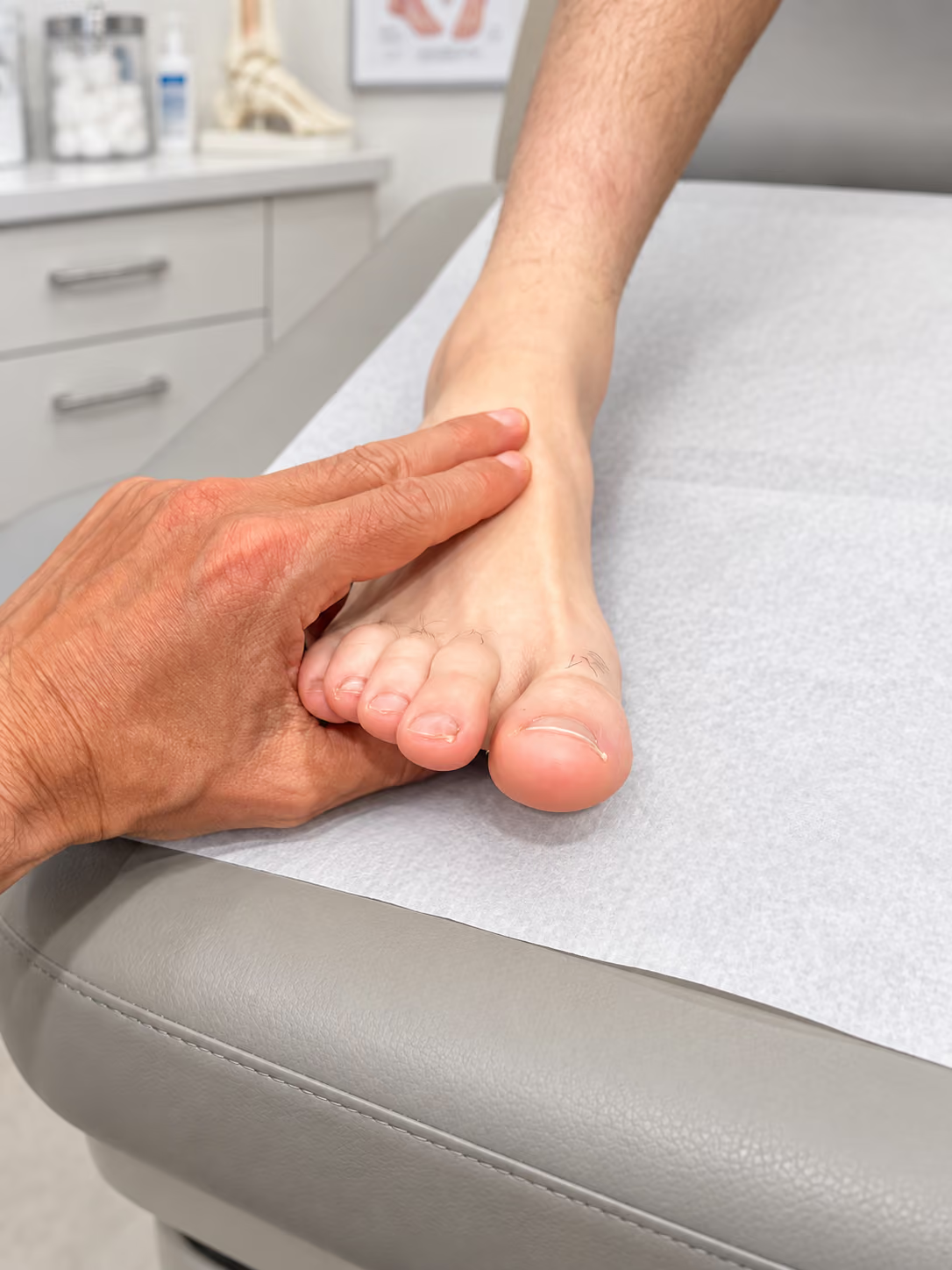


Diabetic Foot
At Timonium Foot and Ankle Center, our doctors provide comprehensive diabetic foot care focused on prevention, early diagnosis, and treatment. Regular foot examinations can identify changes in sensation, circulation, skin, nails, and foot structure before they lead to more serious complications.
Diabetic foot care may include routine at-risk foot care, treatment of corns and calluses, management of toenail problems, diabetic shoes and inserts when appropriate, wound care, infection treatment, and evaluation of circulation and nerve function.
If you have diabetes and are experiencing a foot problem—or want to help prevent one—call our office or request an appointment online. We’ll evaluate your feet, identify your individual risk factors, and develop a plan to help protect your foot health and reduce the risk of complications.
What is diabetes?
Diabetes is a metabolic condition that causes elevated blood sugar levels. Over time, elevated blood sugar can damage nerves, blood vessels, and other tissues throughout the body. These changes can have a significant effect on the feet and increase the risk of neuropathy, poor circulation, wounds, infections, and other diabetic foot complications.
Diabetes is generally classified as Type 1 or Type 2 diabetes.
Type 1 diabetes: Type 1 diabetes is an autoimmune condition in which the pancreas produces little or no insulin. It commonly develops during childhood or adolescence, although it can occur at any age. Patients with Type 1 diabetes require insulin.
Type 2 diabetes: Type 2 diabetes occurs when the body does not use insulin effectively, known as insulin resistance. As the condition progresses, the body may also produce insufficient amounts of insulin. Type 2 diabetes is associated with several risk factors, including genetics, excess body weight, and physical inactivity. Treatment may include lifestyle changes, oral or injectable medications, and insulin when necessary.
Why are people with diabetes at risk for foot problems?
Over time, elevated blood sugar can damage both nerves and blood vessels. This increases the risk of two important conditions affecting the feet: peripheral neuropathy and peripheral arterial disease (PAD).
When loss of sensation, decreased circulation, foot deformity, and impaired healing occur together, even a relatively minor foot problem can progress to a wound or infection. Regular foot examinations, preventive care, and early treatment of problems are therefore especially important for patients with diabetes.
What is diabetic peripheral neuropathy?
Peripheral neuropathy is nerve damage that commonly affects the feet and legs in people with diabetes. Different types of nerves can be affected, resulting in changes in sensation, skin health, and muscle function.
- Sensory nerve damage: Sensory nerves allow us to feel pain, pressure, temperature, and the position of our joints. When these nerves are damaged, patients may not feel a blister, burn, cut, foreign body, or other injury to the foot. An injury can therefore become significantly worse before it is noticed.
- Autonomic nerve damage: Autonomic nerves help regulate sweating and moisture in the skin. Neuropathy can reduce sweating, causing the skin to become excessively dry and more susceptible to cracking. Breaks in the skin can create an entry point for bacteria and increase the risk of infection.
- Motor nerve damage: Motor nerves control muscles in the foot. Nerve damage can contribute to muscle imbalance and the development of prominent bones and toe deformities. These changes can create areas of increased pressure, leading to corns, calluses, skin breakdown, and diabetic foot ulcers.
What are the symptoms of diabetic peripheral neuropathy?
- Burning, tingling, or numbness in the feet
- Reduced ability to feel pain, pressure, or temperature
- Dry or cracked skin
- Changes in balance or stability
- Toe deformities, including hammertoes, mallet toes, and claw toes
- Corns and calluses over areas of increased pressure
- In advanced cases, significant bone and joint changes associated with Charcot foot
Peripheral neuropathy is an important risk factor for diabetic foot ulcers because an injury or area of excessive pressure may continue without causing enough pain to alert the patient. Once the skin breaks down, bacteria can enter the wound and potentially cause a serious infection.
What is peripheral arterial disease (PAD)?
Peripheral arterial disease, or PAD, occurs when narrowed or blocked arteries reduce blood flow to the legs and feet. People with diabetes are at increased risk for developing PAD.
Adequate circulation is essential for delivering oxygen and nutrients to the tissues and allowing wounds to heal. When circulation is significantly reduced, wounds may heal slowly or fail to heal, increasing the risk of infection, tissue loss, and amputation.
What are the symptoms of peripheral arterial disease?
- Leg cramping with activity: Pain or cramping in the legs while walking that improves with rest is known as intermittent claudication.
- Delayed wound healing: Cuts, sores, or ulcers may take longer than expected to heal.
- Rest pain: More advanced PAD can cause pain in the foot even while resting, particularly at night. Some patients experience temporary relief by placing the foot in a dependent position.
- Skin and temperature changes: The foot may appear pale or discolored or feel cooler than expected.
- Gangrene: Severe loss of circulation can result in tissue death, known as gangrene.
What is a diabetic foot ulcer?
A diabetic foot ulcer is an open wound or area of skin breakdown that commonly develops from repetitive pressure, friction, injury, or a combination of these factors.
Peripheral neuropathy can prevent a patient from feeling the injury or pressure that caused the wound. Poor circulation may then make it more difficult for the wound to heal. Foot deformities, prominent bones, corns, and calluses can further increase pressure and contribute to ulcer formation.
Diabetic foot ulcers require prompt evaluation because an open wound provides an entry point for bacteria and can lead to infection involving the skin, soft tissue, or bone.
How can people with diabetes prevent foot ulcers, infections, and amputations?
Preventive foot care is one of the most important ways to reduce the risk of serious diabetic foot complications.
- Regular diabetic foot examinations: Patients with diabetes should have a comprehensive baseline foot examination. The frequency of follow-up visits depends on neuropathy, circulation, previous ulcers, foot deformity, and other individual risk factors.
- Daily foot inspections: Check the tops and bottoms of the feet, heels, toes, and areas between the toes for cuts, blisters, redness, swelling, drainage, cracks, or other changes.
- Professional at-risk foot care when appropriate: Patients with qualifying risk factors benefit from professional nail care and treatment of corns and calluses as home care on high risk feet can lead to complications including infection and in some cases, limb loss.
- Supportive footwear and avoiding barefoot walking: Properly fitted, supportive shoes can help protect the feet and reduce areas of excessive pressure. Barefoot walking should be avoided, particularly when neuropathy is present, because injuries may occur without being felt.
- Check shoes before wearing them: Patients with neuropathy should inspect the inside of their shoes for stones, foreign objects, damaged linings, or other potential sources of pressure or injury.
- Keep the skin moisturized: Apply a moisturizing cream or lotion regularly to help prevent excessive dryness and cracking, which can create an entry point for bacteria. Avoid applying moisturizer between the toes, where excessive moisture can increase the risk of fungal infection and skin breakdown.
- Control foot and leg swelling when present: Persistent swelling can place additional stress on the skin and contribute to skin breakdown and delayed wound healing. The underlying cause of swelling should be evaluated, and compression therapy may be recommended when appropriate based on circulation and the patient's medical condition.
- Maintain good blood sugar control: Following the diabetes treatment plan established with your medical team can help reduce the risk of long-term complications.
- Exercise regularly when medically appropriate: Physical activity can help with blood sugar management and overall cardiovascular health. Exercise may need to be modified when neuropathy, PAD, wounds, or other foot problems are present.
- Avoid burns: Patients with neuropathy should use caution with heating pads, hot water, fireplaces, and other sources of heat because reduced sensation may prevent them from recognizing a burn.
- Do not smoke: Smoking damages blood vessels and can further increase the risk of poor circulation and delayed wound healing.
- Maintain regular medical care: Diabetes management may involve your primary care physician, endocrinologist, podiatrist, ophthalmologist, vascular specialist, nephrologist, and other specialists depending on your individual needs.
- Take medications as directed: Medications for diabetes and associated medical conditions should be taken according to the instructions of your treating physicians.
When should a person with diabetes see a podiatrist?
Patients with diabetes should establish regular podiatric care based on their individual risk factors. Patients with neuropathy, poor circulation, previous foot ulcers, significant foot deformities, or other high-risk findings may require more frequent examinations and preventive foot care.
Prompt evaluation is recommended for:
- An open wound or ulcer
- New redness, warmth, or swelling
- Drainage, pus, or bleeding
- A blister, cut, or puncture wound
- A burn
- An ingrown toenail or other painful nail problem
- A new or rapidly developing callus
- New discoloration of a toe or foot
- Sudden swelling or change in the shape of the foot
- Signs of infection
- Any foot injury in a patient with significant neuropathy or poor circulation
Patients with diabetic neuropathy should not rely on pain to determine whether a foot problem is serious. Significant wounds, infections, fractures, and other injuries can sometimes occur with little or no pain.
Diabetic Foot Care at Timonium Foot and Ankle Center
At Timonium Foot and Ankle Center, our doctors provide comprehensive diabetic foot evaluations and preventive care based on each patient's individual risk factors. The examination may include assessment of circulation, sensation, skin and nail health, foot structure, areas of abnormal pressure, and previous or current wounds.
When problems are identified, treatment is directed at the underlying cause and may include professional at-risk foot care, wound care, pressure reduction, supportive footwear, diabetic shoes when appropriate, custom orthotics, treatment of infection, vascular referral, or other treatment based on the patient's diagnosis.
The goal of diabetic foot care is not simply to treat problems after they occur, but to identify risk factors early and help prevent wounds, infections, and other serious complications.