

Gout
At Timonium Foot and Ankle Center, our doctors have extensive experience diagnosing and treating gout and other causes of sudden foot and ankle pain. Gout commonly affects the big toe joint and can cause significant pain, redness, warmth, swelling, and tenderness.
The good news is that gout can usually be treated effectively. Our doctors start by making sure we understand exactly what’s causing your symptoms, since gout can sometimes resemble an infection or other painful foot and ankle conditions. From there, we develop a treatment plan based on your diagnosis, symptoms, and individual needs.
If sudden foot or ankle pain is making it difficult to walk or stay active, call our office or request an appointment online. We’re here to help relieve your pain and get you comfortably back on your feet.
What is gout?
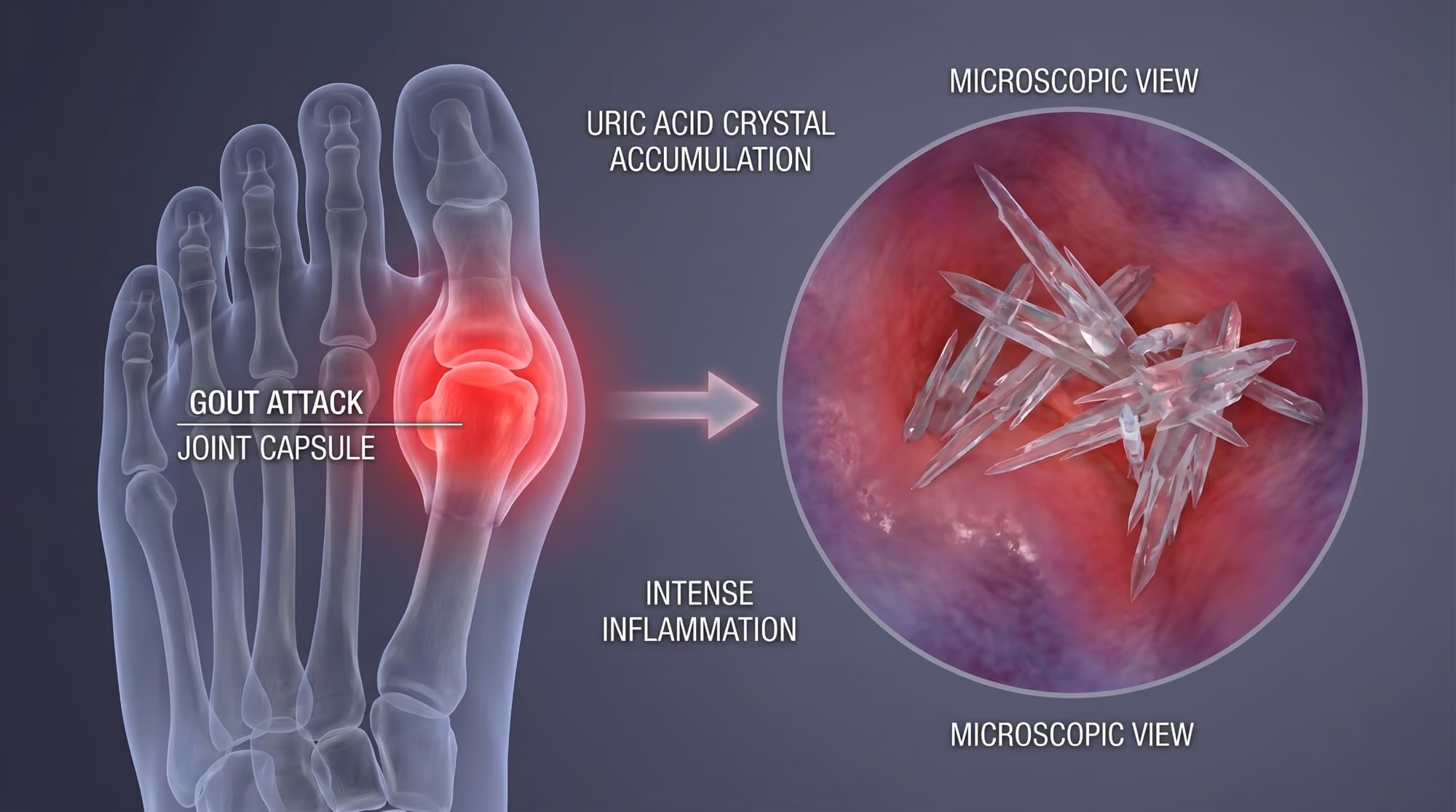
Gout is an inflammatory arthritis that develops when uric acid, a breakdown product of purines, becomes crystallized inside of the joint. These uric acid crystals trigger an inflammatory process that leads to significant pain. Although gout can occur anywhere in the body, the foot and ankle, particularly the big toe joint, is a common location where gout presents.
Gout results from either overproduction of uric acid or from under excretion of uric acid by the kidneys. Certain foods like organ meats, shellfish, and game meats and drinks like beer are high in purines and can trigger gouty attacks.
What are the symptoms of gout?
Gout symptoms often develop suddenly, frequently overnight or first thing in the morning.
- Sudden, severe joint pain: Pain can become intense very quickly and may make walking difficult.
- Redness, warmth, and swelling: The affected joint may become noticeably inflamed and swollen.
- Extreme tenderness: The joint can become so sensitive that even the pressure of a bedsheet against the foot may be painful.
- Joint stiffness and pain with movement: Repeated gout attacks can eventually damage the joint, leading to chronic arthritis, stiffness, swelling, and pain with movement.
How is gout diagnosed?
Gout is often diagnosed based on the patient’s symptoms, medical history, and a careful examination of the affected joint. Our doctors also review potential risk factors, including diet, alcohol use, medical conditions, and medications that may contribute to elevated uric acid levels or trigger gout attacks.
Blood testing may be performed to measure uric acid levels, although a normal uric acid level does not rule out gout during an acute attack.
When the diagnosis is uncertain, fluid may be removed from the affected joint and examined for uric acid crystals. This is the most definitive way to diagnose gout, but joint aspiration may not always be necessary or practical, particularly in the smaller joints of the foot.
How is gout treated?
Treatment for gout focuses on relieving the pain and inflammation of an acute attack and, reducing the risk of future attacks.
Conservative treatment options
- Anti-inflammatory medications: Nonsteroidal anti-inflammatory drugs (NSAIDs), oral corticosteroids, or colchicine may be used to reduce the pain and inflammation of an acute gout attack.
- Uric acid-lowering medications: Patients with gout can benefit from medications such as allopurinol or febuxostat to lower uric acid levels and reduce the risk of future attacks.
- Diet and lifestyle changes: Limiting foods and beverages that may contribute to gout, including beer, certain shellfish, and some meats, may help reduce the risk of recurrent attacks. Maintaining a healthy weight and staying well hydrated may also be beneficial.
- Steroid injections: When appropriate, a corticosteroid injection into the affected joint can directly reduce pain and inflammation while limiting the systemic side effects associated with oral medications.
When is surgery considered for gout?
Surgery is rarely necessary for gout. However, repeated attacks can cause significant joint damage, chronic pain, stiffness, deformity, or deposits of uric acid crystals called tophi. When severe joint damage or tophi cause persistent symptoms that do not respond to conservative treatment, surgery may be considered.
Surgical treatment options