


Why Does My Heel Hurt When I First Get Out of Bed?
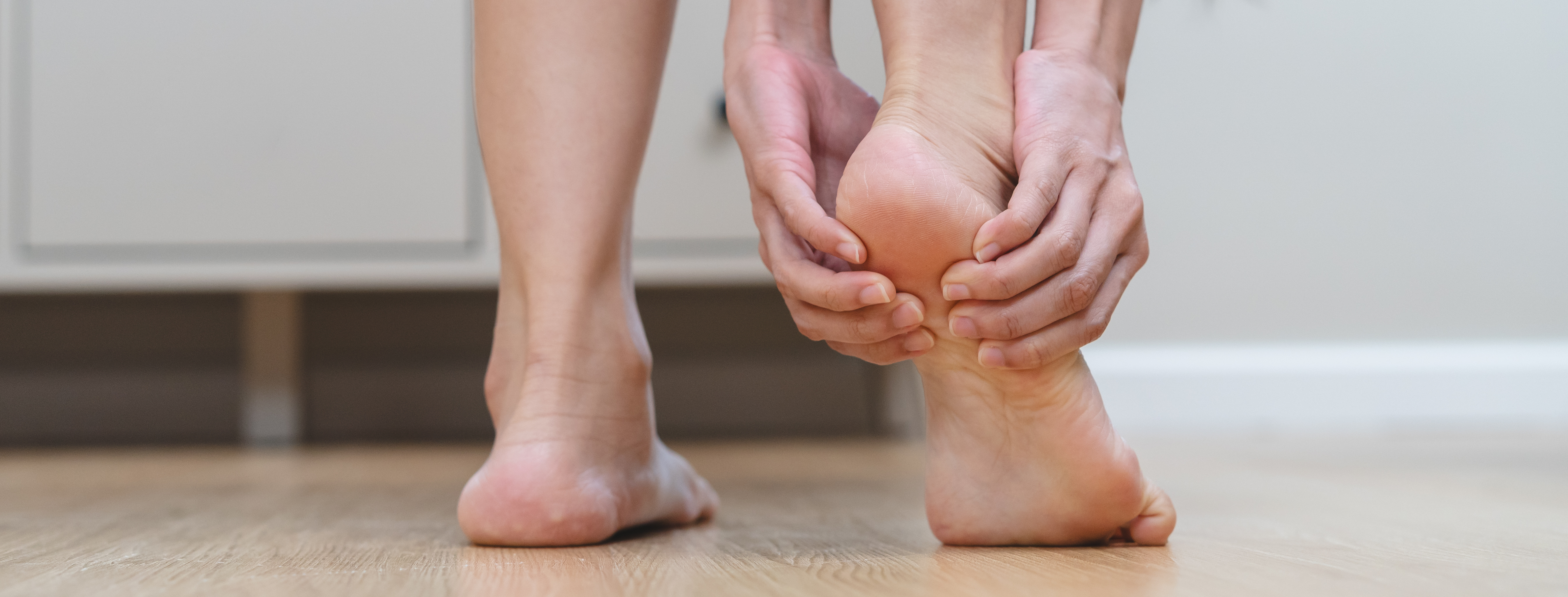


If your heel hurts when you take your first few steps in the morning and begins to feel better once you start walking, plantar fasciitis is one of the most common causes.
This pattern is often called first-step pain. It can also occur when you stand after sitting for a long period of time.
Although this pattern is very characteristic of plantar fasciitis, morning heel pain does not automatically mean you have plantar fasciitis. Other conditions can cause similar symptoms, which is why an accurate diagnosis is important when heel pain persists.
Why Is Heel Pain Worse First Thing in the Morning?
The plantar fascia is a strong band of tissue that runs along the bottom of the foot from the heel toward the toes and helps support the arch. When the plantar fascia becomes irritated, pain commonly develops near its attachment to the heel bone.
I often describe the plantar fascia to patients as being somewhat like a large rubber band. When you sleep at night or sit for a period of time, there is less tension on the plantar fascia. When you stand and take your first steps, the tissue is suddenly placed under tension again, pulling at its attachment to the heel bone. When the plantar fascia is irritated, those first few steps can be particularly uncomfortable.
After walking for a short time, the tissues begin to loosen and the discomfort often decreases. The pain may return later in the day, particularly after prolonged standing, walking or exercise.
Does Morning Heel Pain Always Mean Plantar Fasciitis?
No. Although plantar fasciitis is one of the most common causes of this type of heel pain, heel pain is a symptom, not a diagnosis.
Other conditions can produce pain in or around the heel, including nerve irritation, stress injuries to the heel bone, problems involving the heel's natural fat pad and other soft-tissue conditions.
The location of your pain, when it occurs, what makes it better or worse, your activity level and the structure of your foot can all provide important clues about its cause.
This is one reason treating every painful heel as plantar fasciitis can sometimes lead to persistent symptoms. There is real value in having persistent heel pain evaluated by a podiatrist so that the underlying cause can be identified.
What Does Plantar Fasciitis Usually Feel Like?
Plantar fasciitis commonly causes pain on the bottom or inner portion of the heel.
Typical symptoms can include:
- Pain with the first few steps after getting out of bed
- Heel pain when standing after sitting for an extended period
- Tenderness along the bottom or inside of the heel or in the arch of the foot
- Pain that initially improves after walking
- Increased discomfort after prolonged standing, walking or exercise
Symptoms vary from person to person. Some people experience relatively mild discomfort, while others develop pain significant enough to interfere with walking, work, exercise or recreational activities.
With severe pain, some people begin walking on the front or outside of the foot to avoid putting pressure on the painful heel. Changing the way you walk can then place additional stress on other areas of the foot and ankle.
What Can I Do for Morning Heel Pain?
If your symptoms are mild and have only recently started, several conservative measures may help.
Wear supportive shoes. Walking barefoot or wearing poorly supportive footwear may place additional stress on the plantar fascia. I often recommend OOFOS sandals or similar supportive, cushioned footwear to help reduce the impact of the foot hitting the ground.
Stretch your calf and plantar fascia Calf and plantar fascia stretching can be particularly helpful before taking your first steps in the morning or after sitting for an extended period. You can follow the stretching exercises we recommend for heel pain for instructions on how to perform these stretches properly.
Modify aggravating activities. Temporarily reducing activities that repeatedly worsen the pain, such as prolonged walking, running or weight-bearing exercise, may give the irritated tissue an opportunity to recover.
Consider lower-impact exercise. Activities such as cycling, rowing, swimming or seated weight training may be better tolerated while heel pain improves.
Depending on the cause and severity of the problem, treatment may also include physical therapy, night splints, orthotics, medications or other nonsurgical treatments, including Class IV laser therapy in appropriate patients.
The appropriate treatment depends on determining why your heel hurts in the first place.
How Long Should I Wait Before Having Heel Pain Evaluated?
Not every episode of heel pain requires immediate medical treatment. Mild symptoms that have only been present for a short period may improve with supportive footwear, stretching and activity modification.
An evaluation is reasonable when heel pain:
- Persists despite conservative treatment
- Continues to worsen
- Repeatedly returns
- Changes the way you walk
- Prevents you from exercising or participating in normal activities
You should consider being evaluated sooner if you have significant swelling or redness, an injury, numbness, severe pain or difficulty bearing weight on the foot.
Why Does an Accurate Diagnosis Matter?
Because several conditions can cause heel pain, determining the source of the pain is an important part of choosing the appropriate treatment.
A foot and ankle examination can help identify exactly where the pain originates and determine whether foot structure, activity, footwear or other factors may be contributing to the problem.
When necessary, imaging such as X-rays, diagnostic ultrasound or MRI may provide additional information.
Once the cause of the heel pain is identified, treatment can be directed toward the actual problem rather than simply treating the symptom.
Frequently Asked Questions
Why does my heel hurt when I get out of bed but then feel better?
This pattern is commonly associated with plantar fasciitis. The first steps after a period of rest place tension on the irritated plantar fascia. The discomfort may decrease after you have been walking for a short period.
Can plantar fasciitis hurt after sitting, too?
Yes. First-step pain can occur after any prolonged period of rest, not just after sleeping overnight.
Should I walk barefoot if I have morning heel pain?
For many people with plantar fasciitis, walking barefoot can increase stress on the plantar fascia. Supportive footwear is often more comfortable while the condition is symptomatic.
Can I exercise with heel pain?
It depends on the cause and severity of the pain. Activities that repeatedly aggravate the heel may need to be temporarily reduced. Lower-impact activities may allow you to remain active without placing as much stress on the painful area.
When should I see a podiatrist for morning heel pain?
Consider an evaluation if your heel pain persists, worsens, repeatedly returns, changes the way you walk or interferes with your normal activities. Severe pain, significant swelling or redness, numbness, an injury or difficulty bearing weight may warrant earlier evaluation.
Learn More About Plantar Fasciitis
Morning heel pain is one of the classic symptoms associated with plantar fasciitis, but determining the correct diagnosis is the first step toward choosing the appropriate treatment.
For more information about the condition, including how we diagnose and treat it at Timonium Foot and Ankle Center, visit our Plantar Fasciitis page.